


What Johann Wolfgang von Goethe is to the Germans, Robert Burns is to the Scots. Burns is perhaps even more revered and celebrated in Scotland than Goethe is in Germany. He is the Scottish national poet, but also the poet of the common people. He spent his rather short life largely in the south of Scotland and is still revered there today. There are many places where his memory is honoured. Many of them are worth a visit, even if you are not familiar with the works of Robert Burns. In this article, I take you on a journey through Dumfries and Galloway, a region in south-west Scotland that is also known as Burns County.
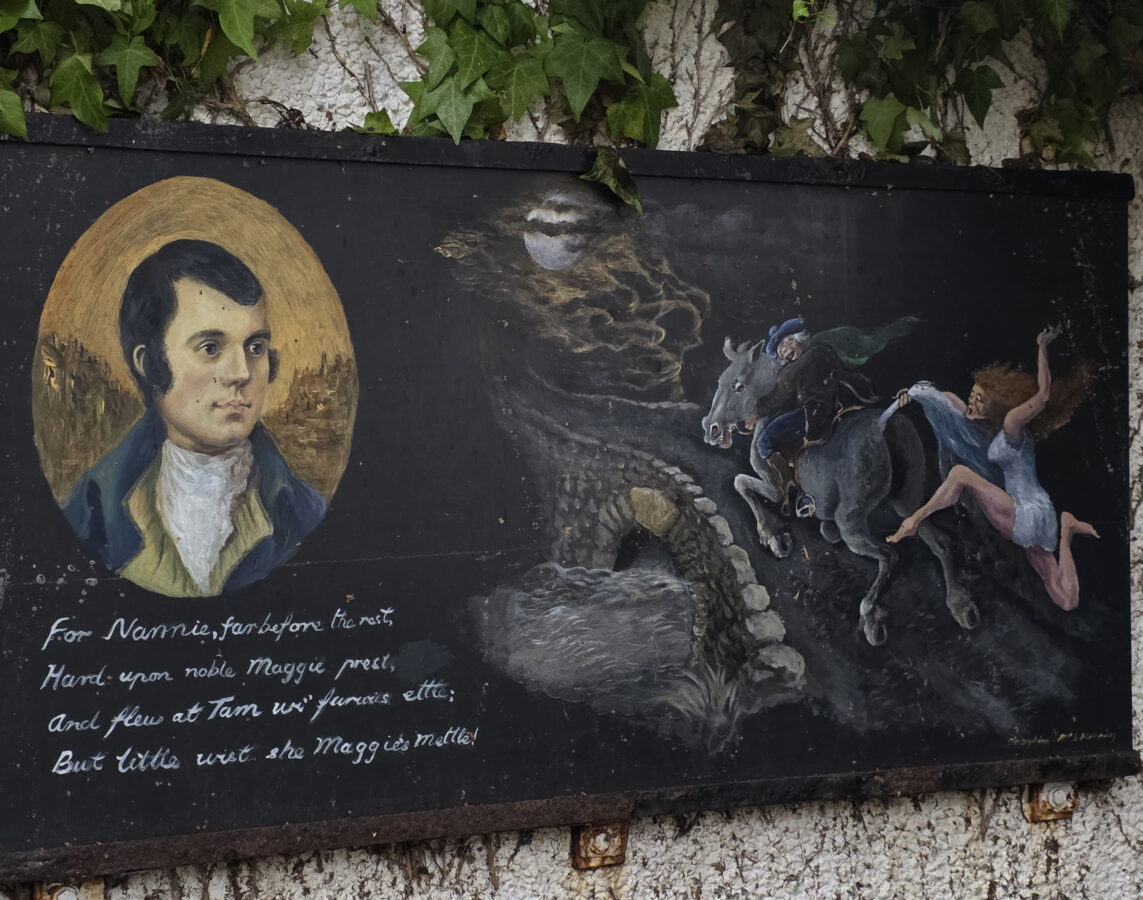
Who was Robert Burns?
I owe my first encounter with Robert Burns to Haggis. He wrote the Ode to Haggis, a poem entitled “Address to a Haggis”. I must confess that this is the only work by Burns that I know. But I celebrate Burns Night every year – at least almost every year – because I don’t always have the opportunity to buy haggis. I’ll talk about Burns Night in a moment.
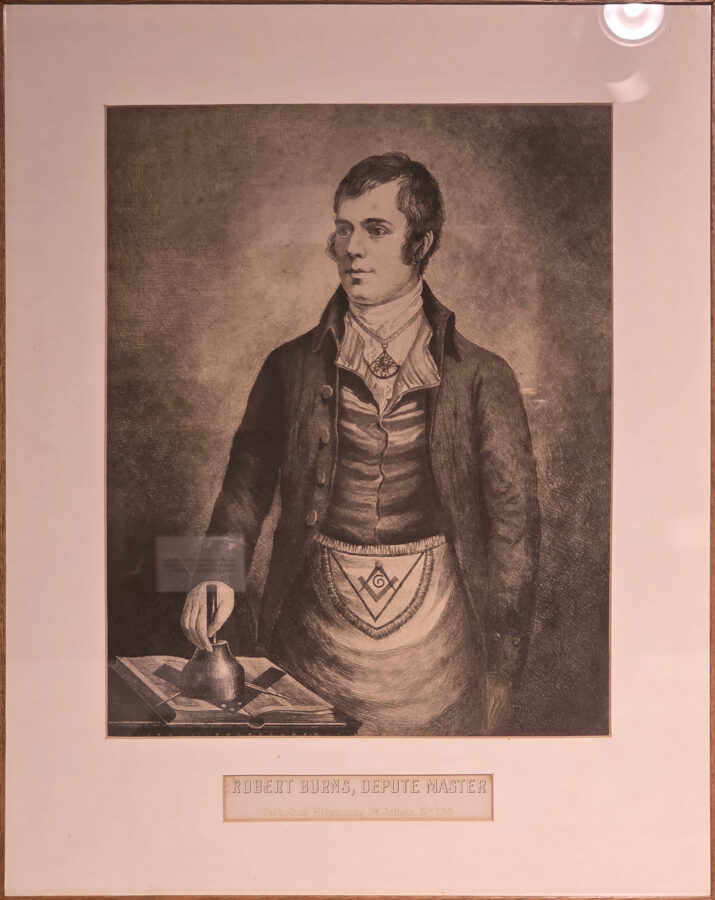
Robert Burns (1759-1796) lived at the same time as Goethe. He is known as the poet of the common people because he came from a humble background, wrote in Scots and his protagonists were often also from humble backgrounds. One of his best-known works is the ballad “Tam O’Shanter”, in which a drunkard witnesses a witches’ dance at night. In a wild chase, he manages to save himself from the witches by crossing an enchanted bridge. Even better known is the famous ode “Auld Lang Syne”, which is sung in Great Britain on New Year’s Eve. And of course the ode to the haggis, which first brought Robert Burns to my attention.
The Burns Night with Haggis, Neeps and Tatties
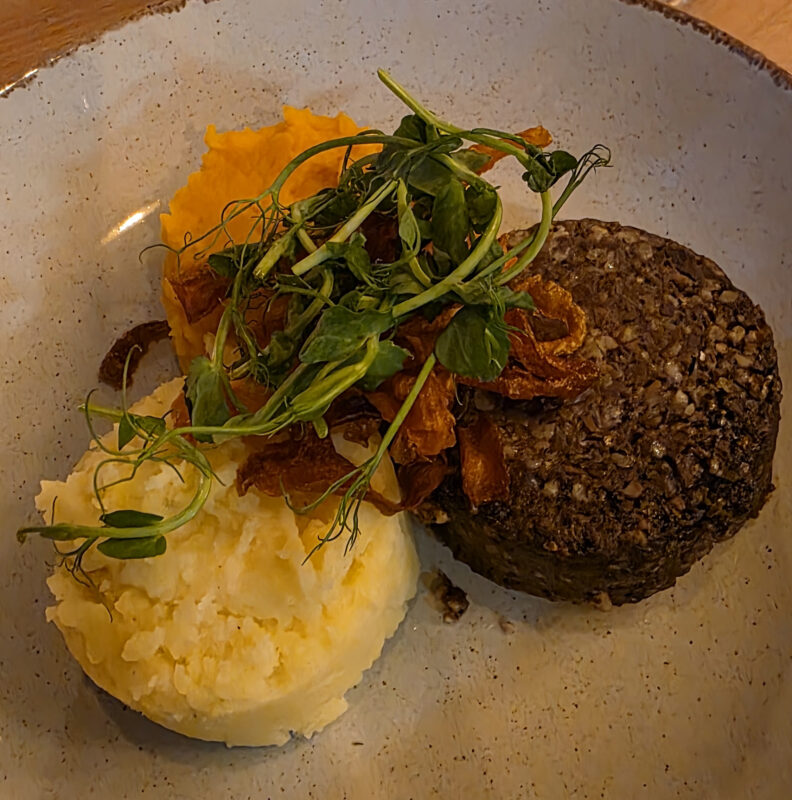
Burns Night, which is celebrated on 25 January, the birthday of Robert Burns, is widely celebrated throughout Scotland. Not only the poet is celebrated with food, drink and music, but also the Scottish national dish, haggis. On this day, haggis is eaten with “neeps and tatties”: “neeps” are mashed turnips and “tatties” are mashed potatoes. But what is haggis? Haggis is a sheep’s stomach stuffed with heart, lungs, liver and kidneys as well as oatmeal and onions. It tastes good! Naturally, a lot of whisky is drunk during Burns Night and Burns’ famous ode is recited. Here is the beginning of the poem:
Greetings to your honest, friendly face,
Great chief of the pudding race!
Above them all you take your place,
Rumen, tripe or gut:
Well are you worthy of a blessing,
As long as my arm.
You fill the groaning platter there,
Your buttocks like a distant hill,
Your stake would help repair a mill,
In times of need,
While through your pores the dew beads seep,
Like beads of amber.
See how the rustic labourer sharpens his knife,
And cuts you open with skilful ease,
Your bubbling, bright entrails exposed,
Like every trench; And then, oh what a marvellous sight,
Warm-steaming, rich!
(…)
But now to the stages in the short life of Robert Burns.
Discover Scotland’s south in the footsteps of Robert Burns
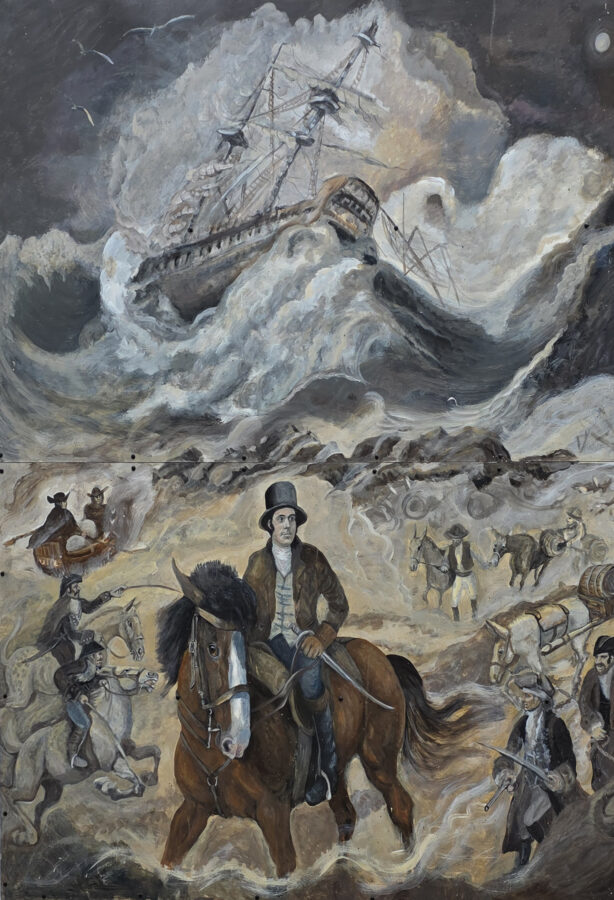
Robert Burns’ life was short but eventful. He grew up in very poor circumstances and had to work hard from an early age. This probably contributed to his early death, as did malnutrition, a heart defect and his consistent alcohol consumption. Burns became famous quite early on and earned a good living from his works. However, as he was unable to budget, his family also lived in poverty. He repeatedly had mistresses and illegitimate children and drank too much alcohol. He also became a member of the Freemasons at an early age, which influenced his life and his works. He had been ill since childhood and his lifestyle did not improve his health. Robert Burns died at the age of just 37.
Robert Burns’ birthplace in Alloway
Robert Burns was born in the small Scottish village of Alloway on the west coast. You can visit his birthplace there. It is now used as a museum and is managed by the National Trust for Scotland. Near the birthplace is the ruined church that Burns mentioned in his letters and which served as the model for the haunted church in the ballad “Tam o’ Shanter”. His father is buried in the church graveyard. Despite their poverty, his parents were educated and attached great importance to a good education. Burns incorporated his experiences of poverty, farmers and labourers as well as Scottish folklore, sagas and legends into his works.
Robert Burns Birthplace Museum, Murdoch’s Lone Alloway, Ayr KA7 4PQ,
Opening times: Museum 10.00-17.00; Burns Cottage 11.00-15.30
Burns Farmhouse – Ellisland Museum
Ellisland, a farm, was the first home of Robert Burns and his family. He moved here with his wife Jean Armour and his first son. But the farmhouse was an unfinished building site right from the start. Although Burns was able to realise all his ideas here, this also ruined him financially. Even then, he led a very erratic life, drank and partied a lot and had illegitimate children. After just three years, he had to give up the farm at a financial loss. Today, the farm is home to a small museum and a Burns archive.
Robert Burns Ellisland Museum & Farm, Holywood Parish Hall Dercongal Road, Dumfries DG20RG Opening times: April to October: Tuesday to Sunday 11.00am – 4.00pm, closed in the winter months
Burns Hermitage at Friars Carse Country House
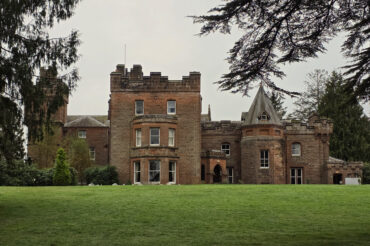
A good friend of Robert Burns lived near the farm in Friars Carse Castle: Robert Riddell, the landlord of Friars Carse House. Burns not only celebrated wild feasts with Riddell. He also provided Burns with a small summer cottage, a hermitage in the middle of the woods. This can also be visited today, but I have already written about it in my article on Friars Carse Country House.
Here is the link to the article: In the footsteps of Robert Burns at Friars Carse House
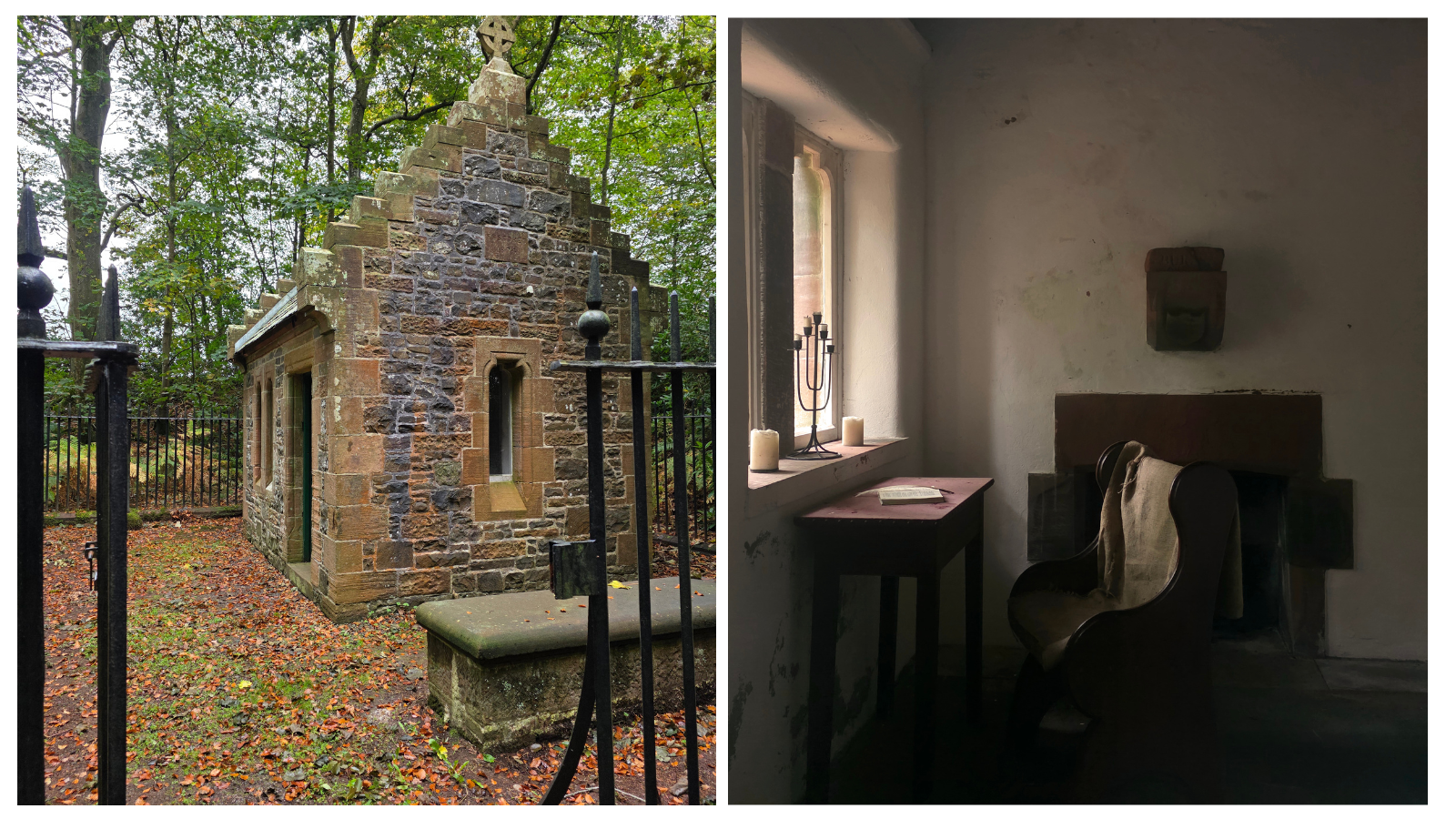
Burns preferred to write in a lonely hut in the middle of the forest. But he also celebrated wild parties here with his friend.
Dumfries – the Burns town
The small town of Dumfries is located in the far south-west of Scotland, close to the English border. The town wouldn’t really have much to offer if it wasn’t Robert Burns Town. Unfortunately, Dumfries is a somewhat run-down town in which the beautiful old town is characterised by a lot of empty buildings. However, Dumfries also has a few highlights to offer: a charming café in a former church or a huge Gothic church ruin on the outskirts of the town, for example. And of course there are many places in Dumfries that are reminiscent of Robert Burns.
Robert Burns House
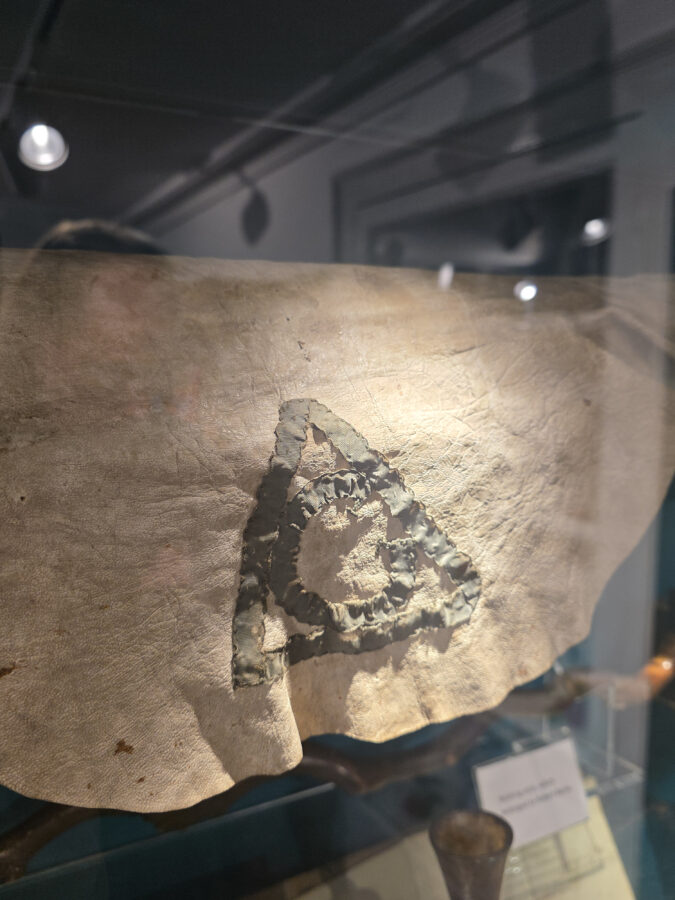
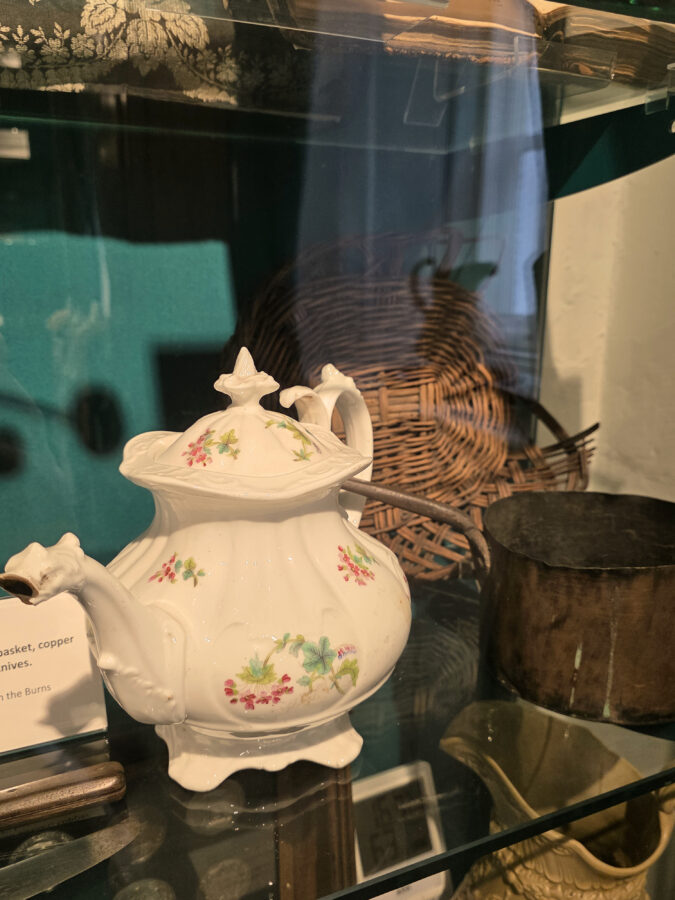
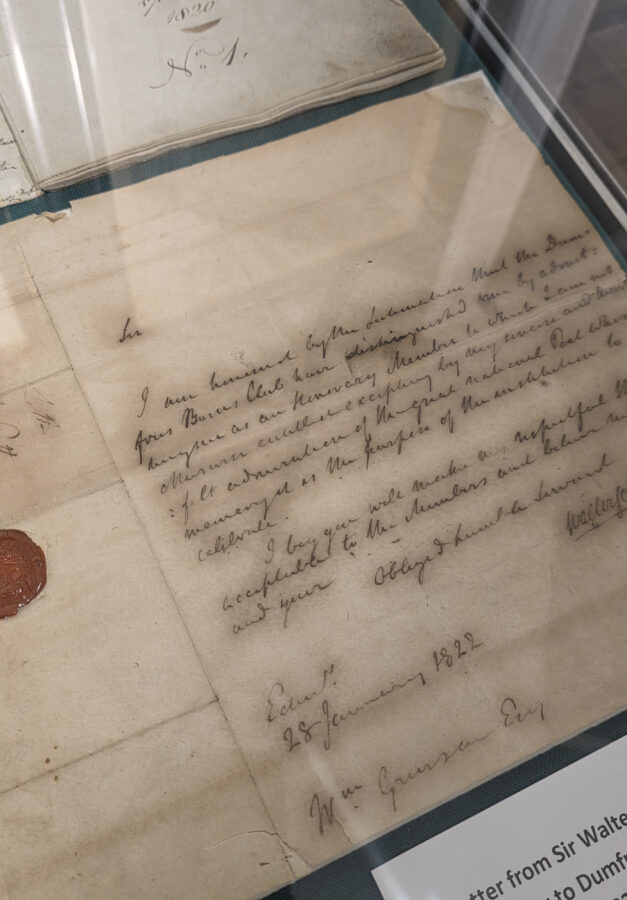
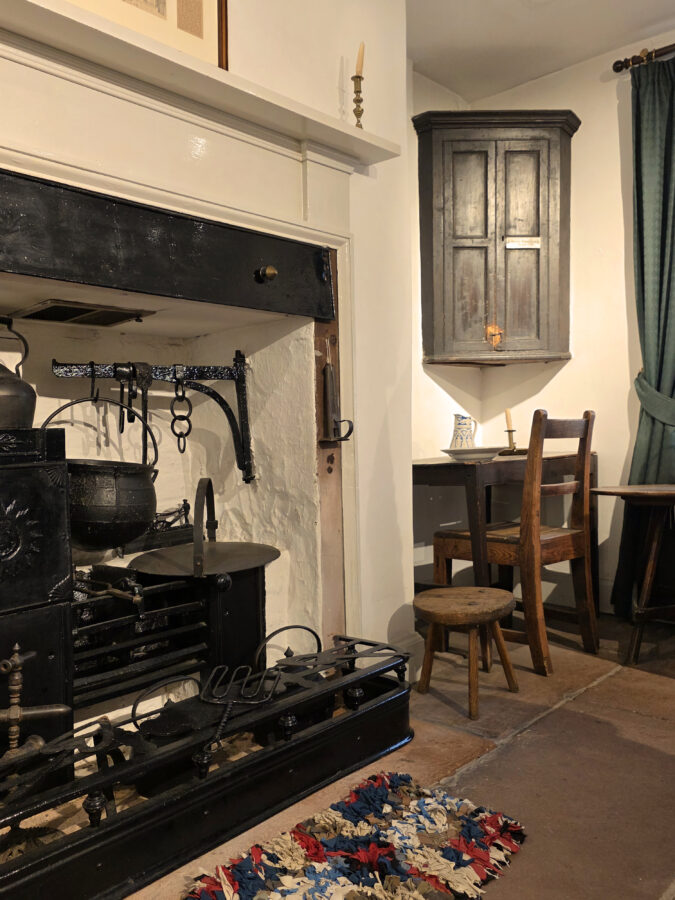
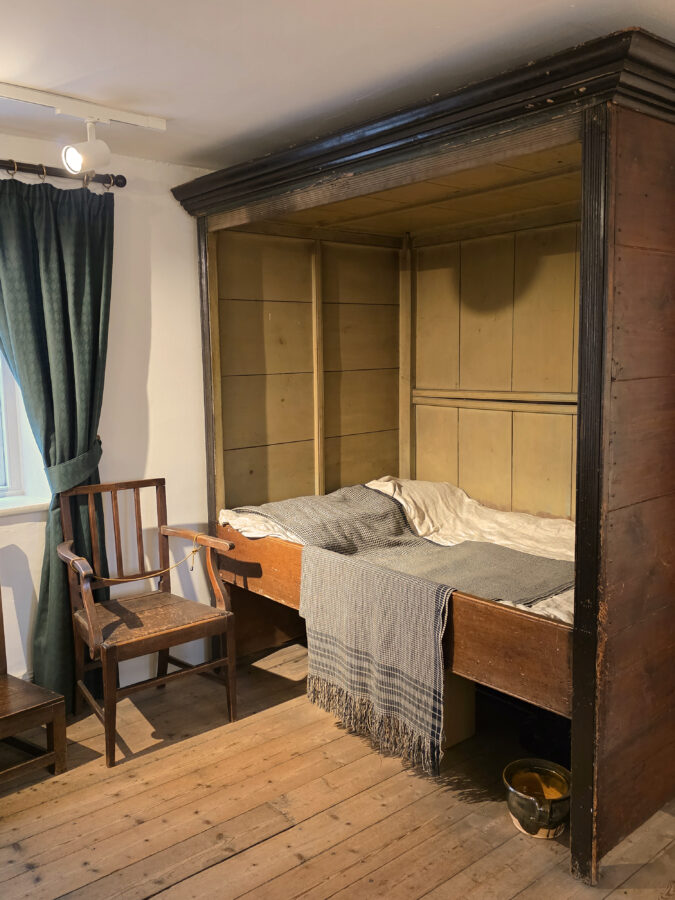
Robert Burns’ second home is located directly in Dumfries and is the exact opposite of the spacious farmhouse. After Burns had to give up Ellisland Farm for financial reasons, he moved into a tenement house in Dumfries. He lived in the small house until the end of his life together with his wife, at times six children and a housekeeper – in three rooms. Here you can admire many original documents and furnishings from the Burns family. There are also many artefacts reminiscent of his Masonic affiliation.
Robert Burns House, Burns St, Dumfries DG1 2PS
Opening hours: daily 10.00 to 17.00, on Sunday only from 14.00
The Globe Inn – Robert Burns’ pub in Dumfries
Just a few steps away from Robert Burns’ house is the Burns Pub, his favourite pub. If what I’ve read about him is true, then he spent considerably more time in the pub than at home. He ate, drank, partied, gave lectures and readings here and sometimes even spent the night. The pub from back then is still a cosy, typically British pub where the Burns tradition is still upheld today.
The Globe Inn Dumfries, 56 High St, Dumfries DG1 2JA
Opening hours: Wednesday – Saturday 11.00 to 23.00
The grave and mausoleum of Robert Burns in St Michael’s Churchyard
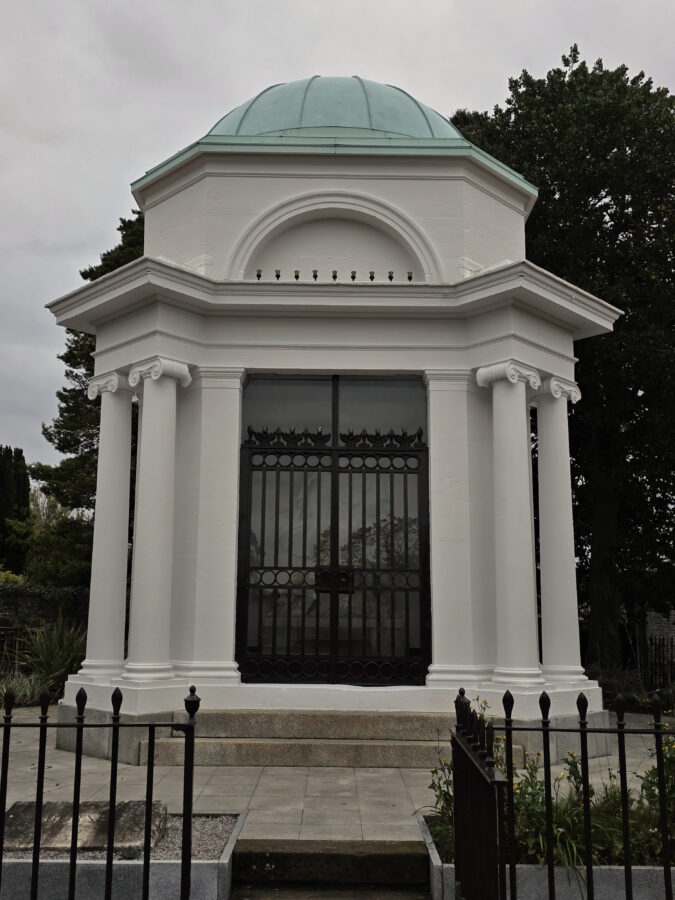
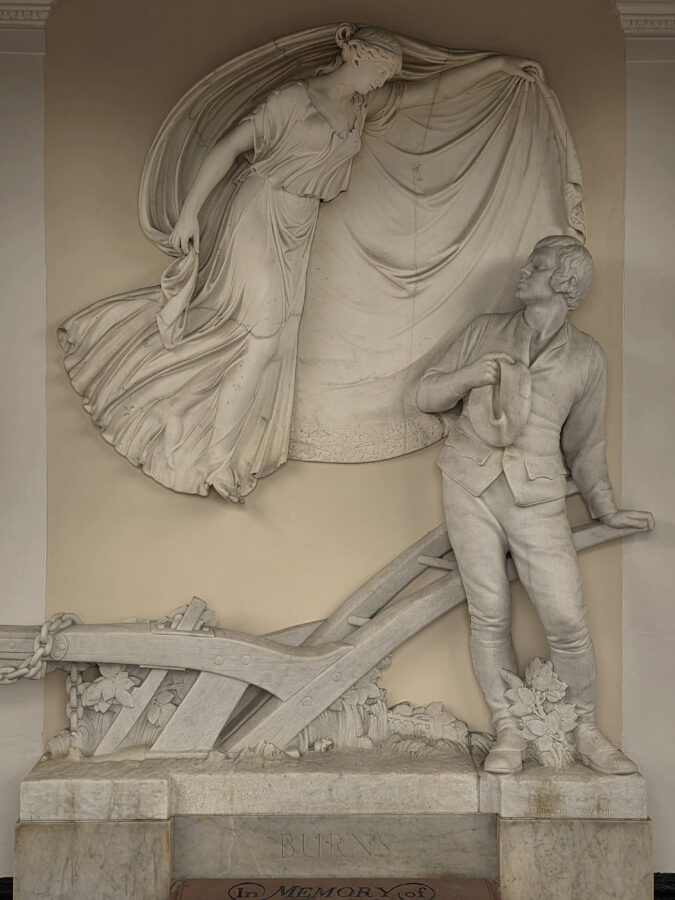
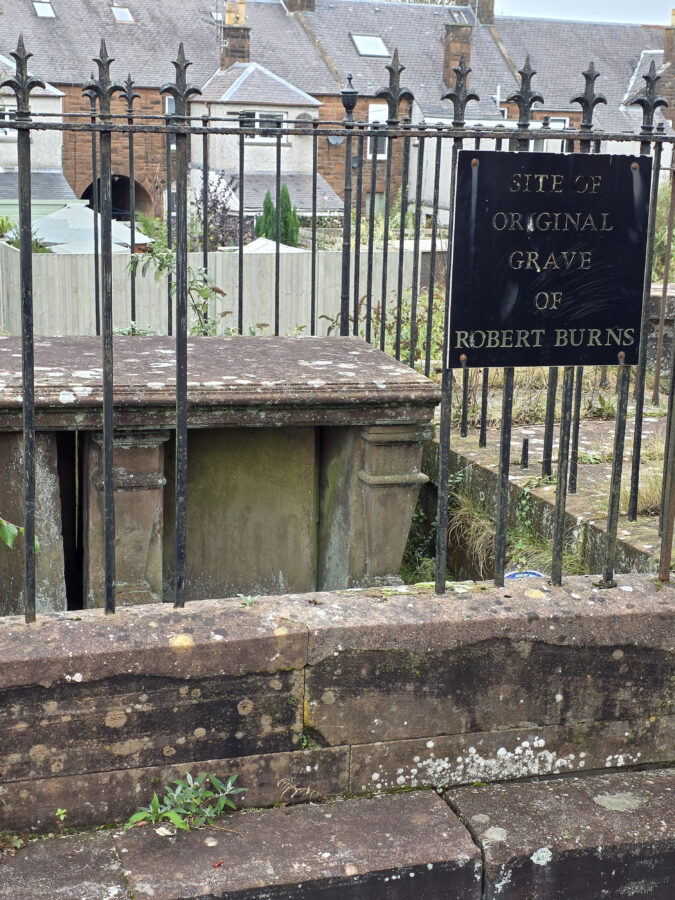
There are actually two graves of Robert Burns in Dumfries. The actual grave, where he was buried with his wife after his death on 21 July 1796, is very simple. Next to it is the magnificent mausoleum where Burns was reburied in 1817. The gleaming white mausoleum stands in an old cemetery with many weathered and partly crumbling graves – I didn’t like it. However, the writer William Wordsworth is said to have complained about the unworthy grave of Robert Burns in 1803. All visitors can now find the mausoleum.
Saint Michael’s Cemetery, Dumfries DG1 2LA
The most important places of Robert Burns in Scotland
Although he did not live to be old, he will probably remain immortal. He was already a star during his lifetime and his works were very popular. Today, he is regarded as Scotland’s national poet. The Scots are very proud of their “Rabbie”, as Robert Burns is often called. Accordingly, his places of residence are proudly preserved and bear witness to his life and works. The themes of poverty, popular beliefs and Freemasonry come up again and again. Even though I hardly know the works of Robert Burns, I really enjoyed discovering the south of Scotland in his footsteps and getting to know this interesting personality. Now I’m going to enjoy Burns Night even more.
Reading material by and about Robert Burns
The links are links to Amazon. This means that if you buy something through this link – no matter what, I get a small commission. It doesn’t cost you any more.
Haggis, Whisky & Co – With Robert Burns through Scottish cuisine
On a wild path through rock and heather – with Robert Burns in the Scottish Highlands
Leave a Reply