


*Press trip
It’s hard to believe, but Hanover once shone in the splendour of the British monarchy. Five English kings came from the Principality of Hanover and ruled both empires at the same time, and many places in Hanover are still reminiscent of this glamorous era, but none are as magnificent as the Herrenhausen Gardens. The baroque gardens are a green oasis not far from the city centre. You can spend hours admiring the beauty of the grounds here. The Herrenhausen Gardens are not just a baroque garden, but an extensive park with several very different gardens. Join me on a walk through what is perhaps the most beautiful park in Lower Saxony!
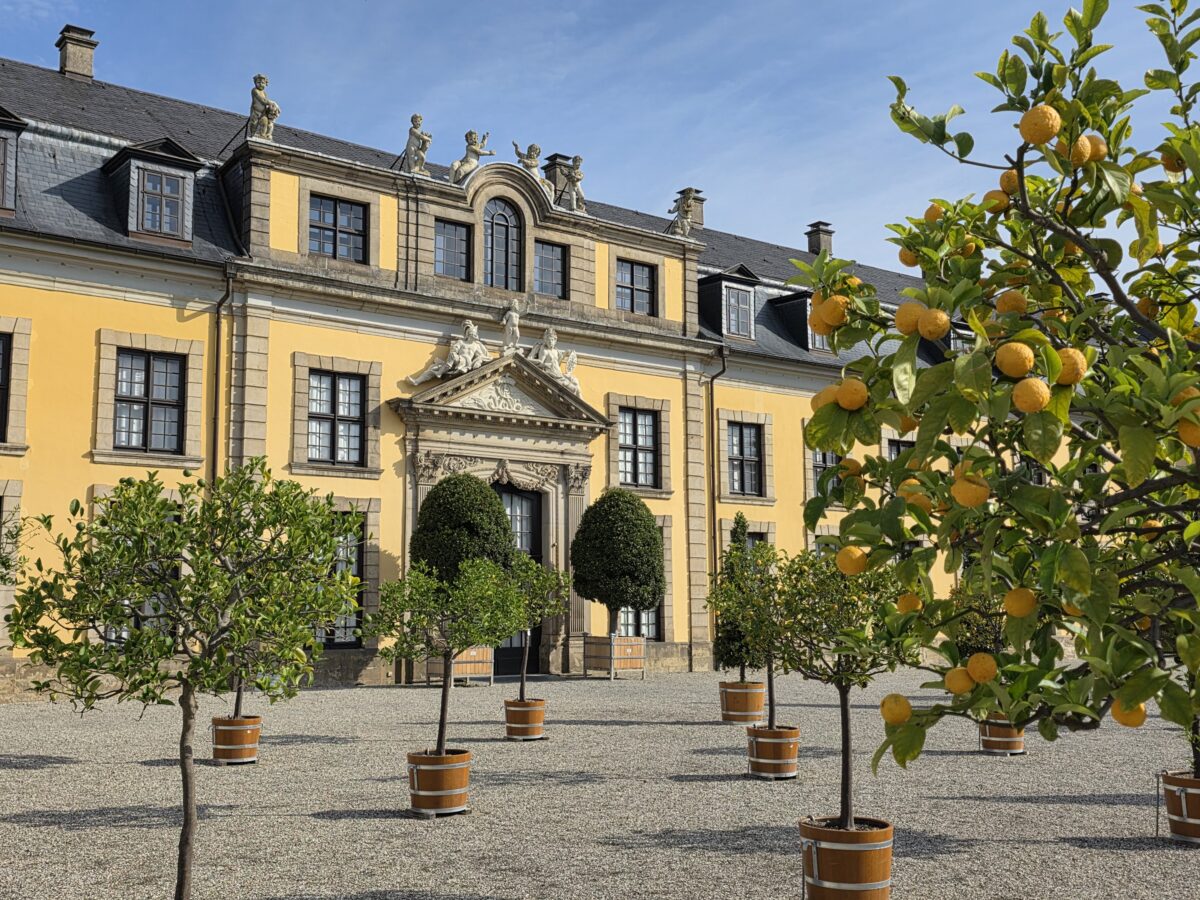
Electress Sophie and her garden
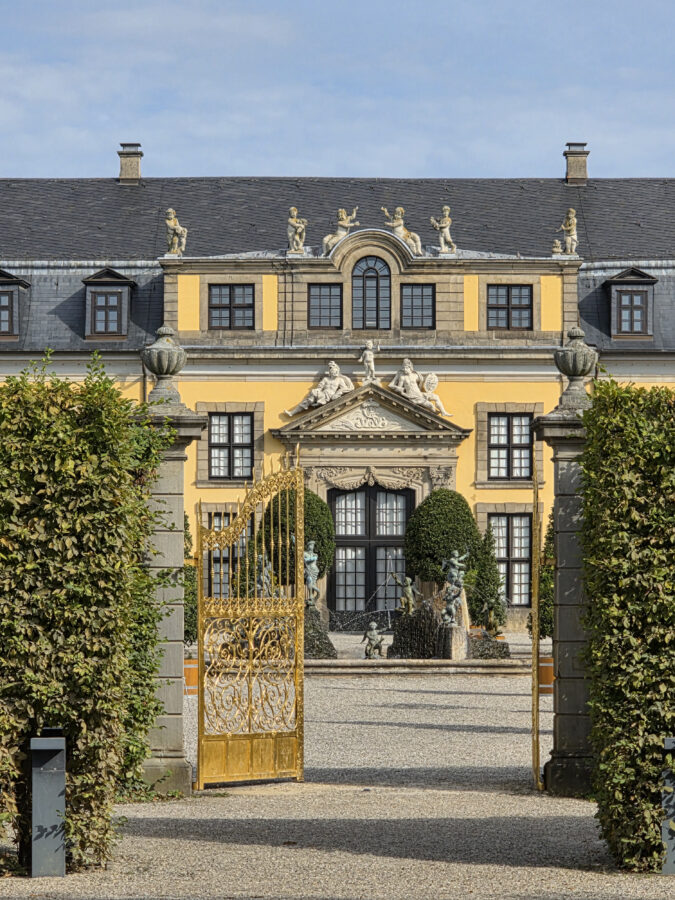
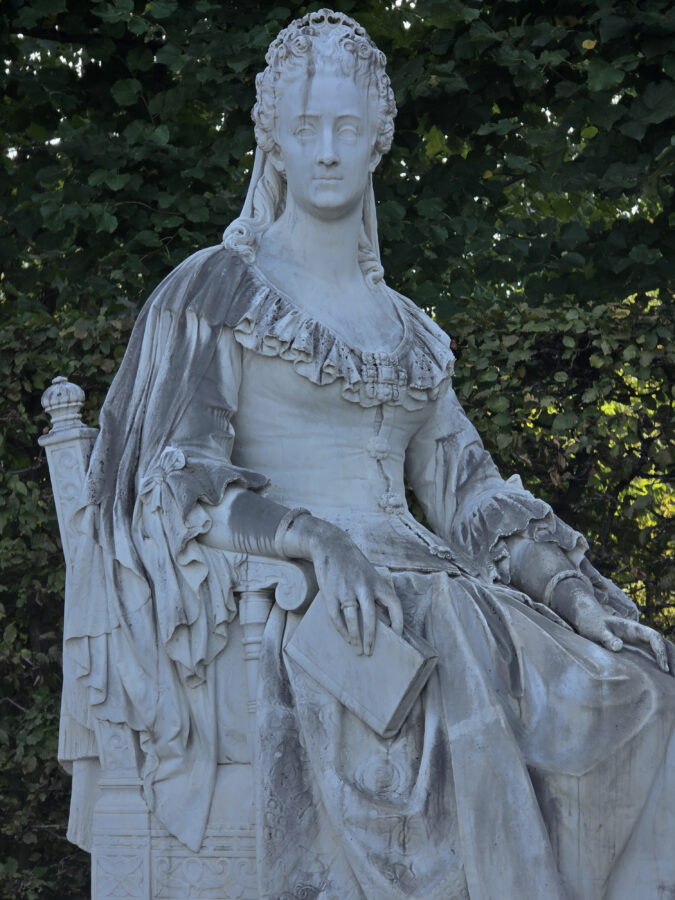
Electress Sophie of the Palatinate (1630-1714) was the most important initiator of the expansion of the Herrenhausen Gardens. Sophie married Ernst August von Braunschweig-Calenberg, the future Elector . However, he preferred to spend his time with his mistress, Elisabeth von Platen. While Ernst August resided in Leineschloss with his mistress, Sophie lived in nearby Herrenhausen Palace. There she devoted herself to the care and design of the palace and its gardens. Although her brother-in-law, Johann Friedrich von Braunschweig-Calenberg, had already laid the foundation stone for the Herrenhausen Gardens, Sophie was the main driving force behind the expansion of the Great Garden.
The universal scholar Gottfried Wilhelm Leibniz, who worked as a librarian at Herrenhausen, was an important source of support for her. The highly educated electress certainly enjoyed the intellectual exchange with the philosopher and mathematician. Both personalities played a decisive role in the construction of the Herrenhausen Gardens. Sophie is said to have once remarked that the garden was her life.
The English kings and Hanover – between love and obligation
Electress Sophie of Hanover almost became Queen of England, but unfortunately she died six weeks before ascending the throne. She allegedly died in the Herrenhausen Gardens when she stumbled in the downpour. Her son, George I, therefore became British King. But how did it come about that the Hanoverians suddenly wore the British crown? The reason lies in the British Succession Act. This decree stipulated that British monarchs had to be Protestant in order to prevent a Catholic succession to the throne. When Queen Anne, the last Stuart queen, died childless, heirs had to be sought through a collateral line.
The throne unexpectedly went to the House of Hanover because Sophie’s mother, Elizabeth Stuart, was the eldest daughter of the English King James I. As all Catholic claimants were passed over, Sophie was the next living Protestant heir. Her heirs became the British kings.
The Guelphs on the British throne
George I was the first British king from the House of Hanover. He was a rather unpopular king in Great Britain. He therefore liked to return to Hanover time and again. Hanover remained his home throughout his life. He died while traveling in Germany, but not in Hanover, but in Osnabrück.
George II also loved his former homeland and visited Hanover twelve times. George II was “deported” to Hanover as a small child and grew up in Herrenhausen Palace without his parents. During his reign, the British often had the feeling that their interests were subordinate to those of the Hanoverians.
He was followed by George III, who you may recognize from the Bridgerton series. He was the confused husband of Queen Charlotte. He was the first Hanoverian king to be born and raised in Britain. George III focused on being British and never visited Hanover.
George IV was known above all as a scandalous bon vivant. Although he was enthusiastically celebrated by his German subjects, he only visited Hanover once. He regarded Hanover more as a source of money than as an inheritance and home. And this despite the fact that he had been appointed King of Hanover during the Congress of Vienna.
George IV died without legitimate descendants, so his younger brother William IV succeeded to the British throne. He also had no connection to Hanover and never visited his second kingdom. The personal union of Hanover and Great Britain ended with the death of William IV.
Why are the Herrenhausen Gardens so unique?
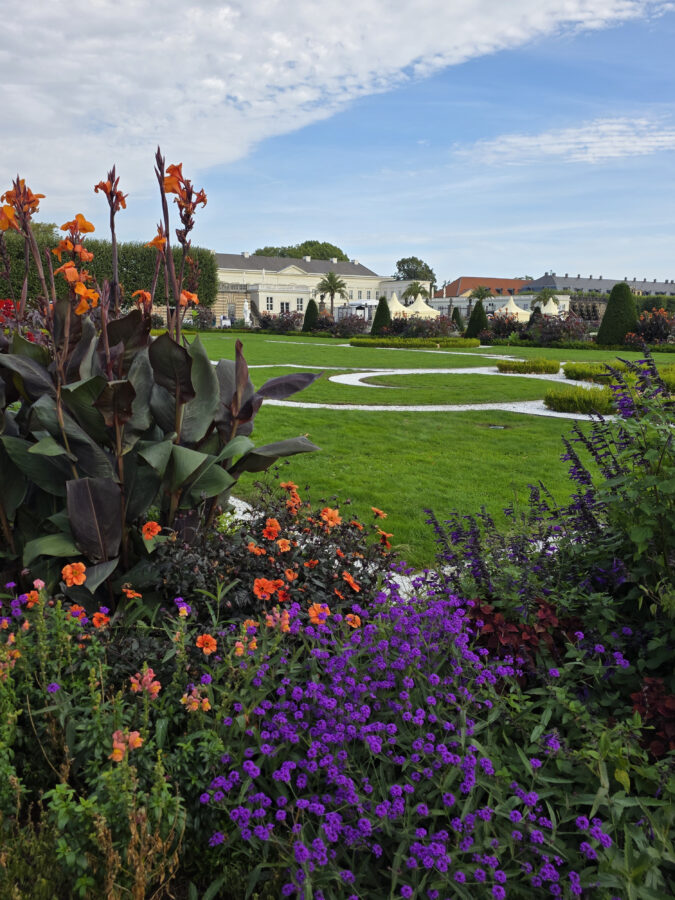
Given this royal history, the stately homes must be something special. But the gardens are also the perfect excursion destination for anyone who is not interested in history, simply because they are so beautiful and so varied . Many castles have one garden or park, sometimes two. However, the Herrenhausen Gardens consist of four historical gardens, so you can admire a wide variety of gardens in Hanover.
The Great Garden – Baroque perfection
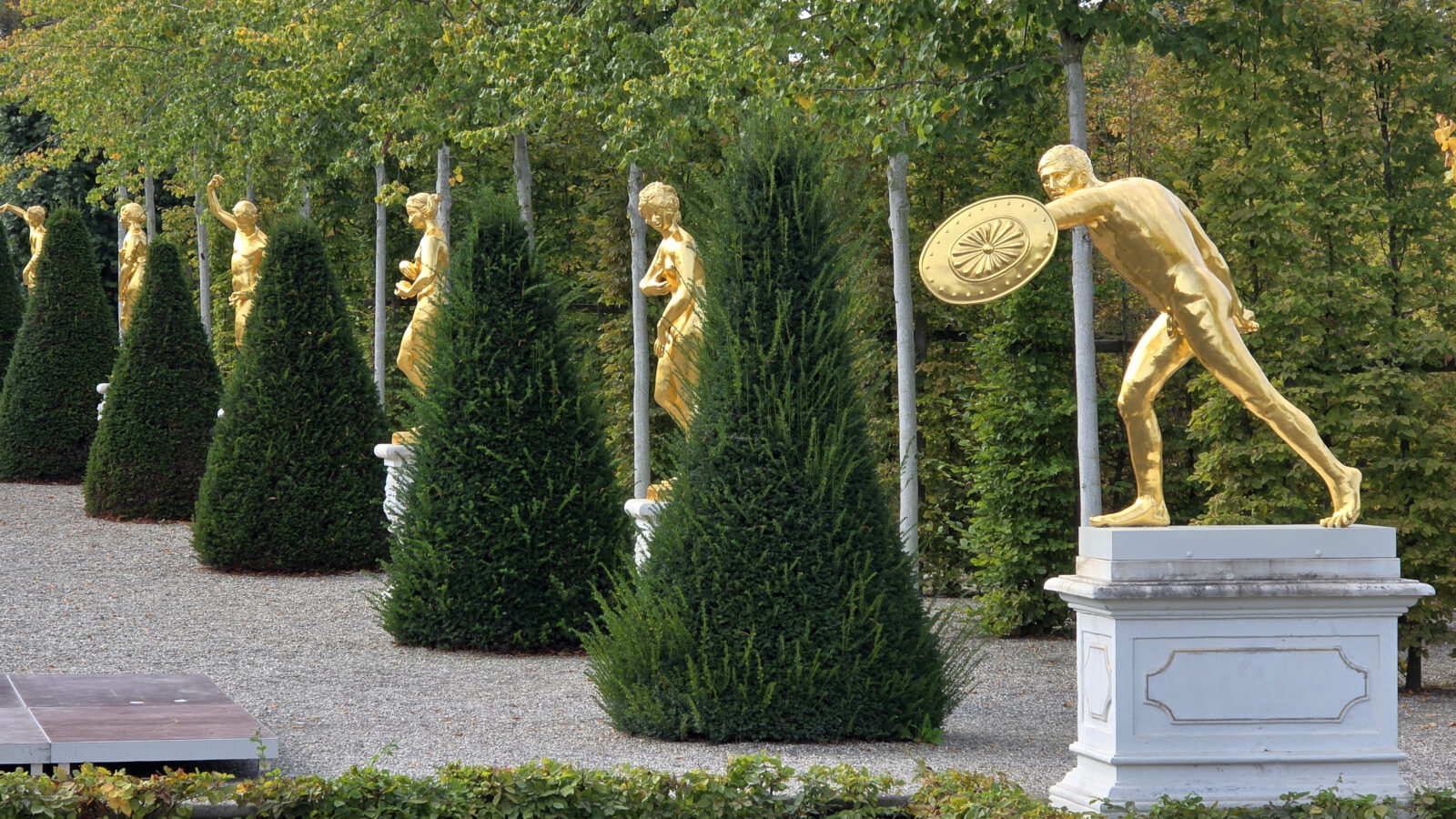
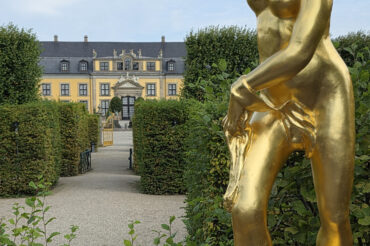
The most important and best-known garden is the Baroque Garden, also known as the Great Garden. It is laid out geometrically and lavishly decorated with antique figures, some of which are gilded. The fountain was the largest in Europe during the Baroque period, as George I competed with the French King Louis XIV for the largest fountain. Hanover thus surpassed Versailles. To this day, it is one of the largest fountains in the world. The baroque Heckentheater from the end of the 17th century, where courtly festivities were once celebrated, is also unique. The baroque theatre has been preserved and is still in use today.
Niki de Saint-Phalle Grotto – an excursion into modernity
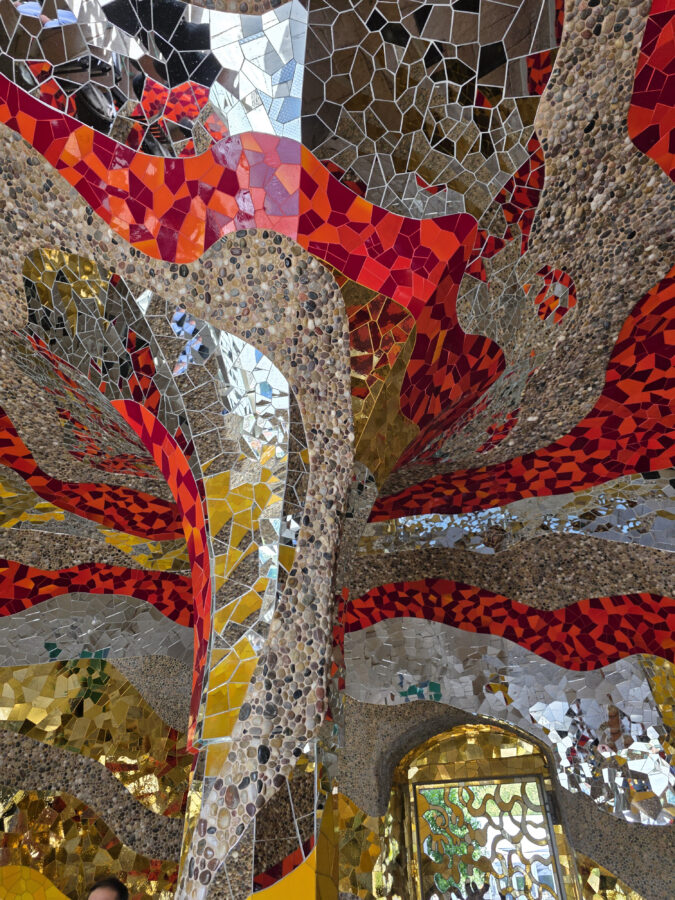
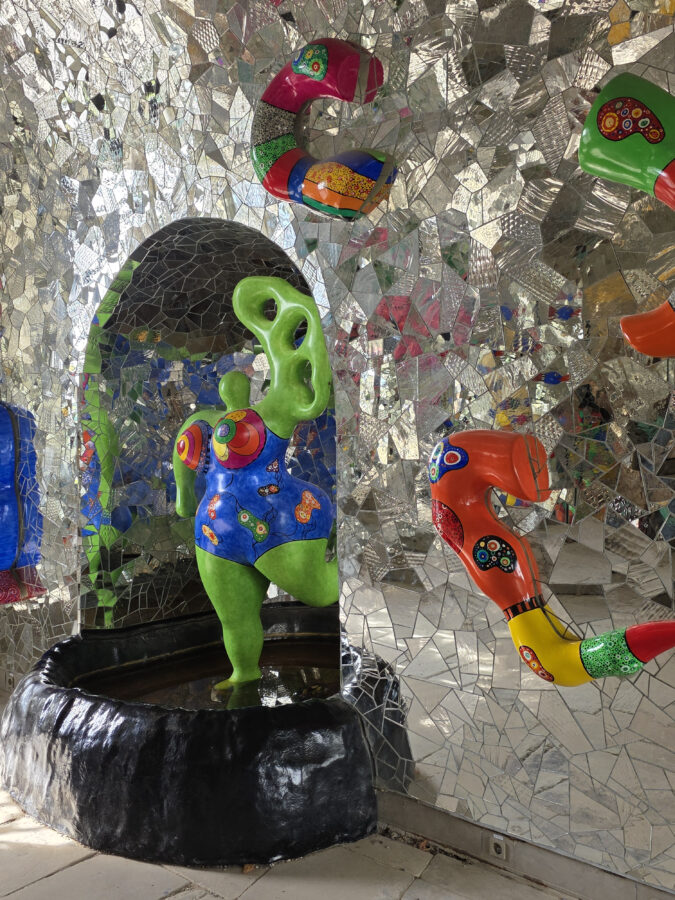
What may seem a little unusual at first glance is now one of the main attractions of the Herrenhausen Gardens. The grotto designed by the artist Niki de Saint Phalle is a unique crowd-puller. And it really is incredible. The grotto was built in the Baroque era and served as a cool retreat for strollers. At the beginning of the 21st century, the famous artist was commissioned to redesign it. She created a magical splendour of colours and shapes. The depictions in the grotto thematise life and spirituality. A unique ensemble of art can be found next to the colourful Nanas.

The Berggarten – botanical garden with exotic treasures
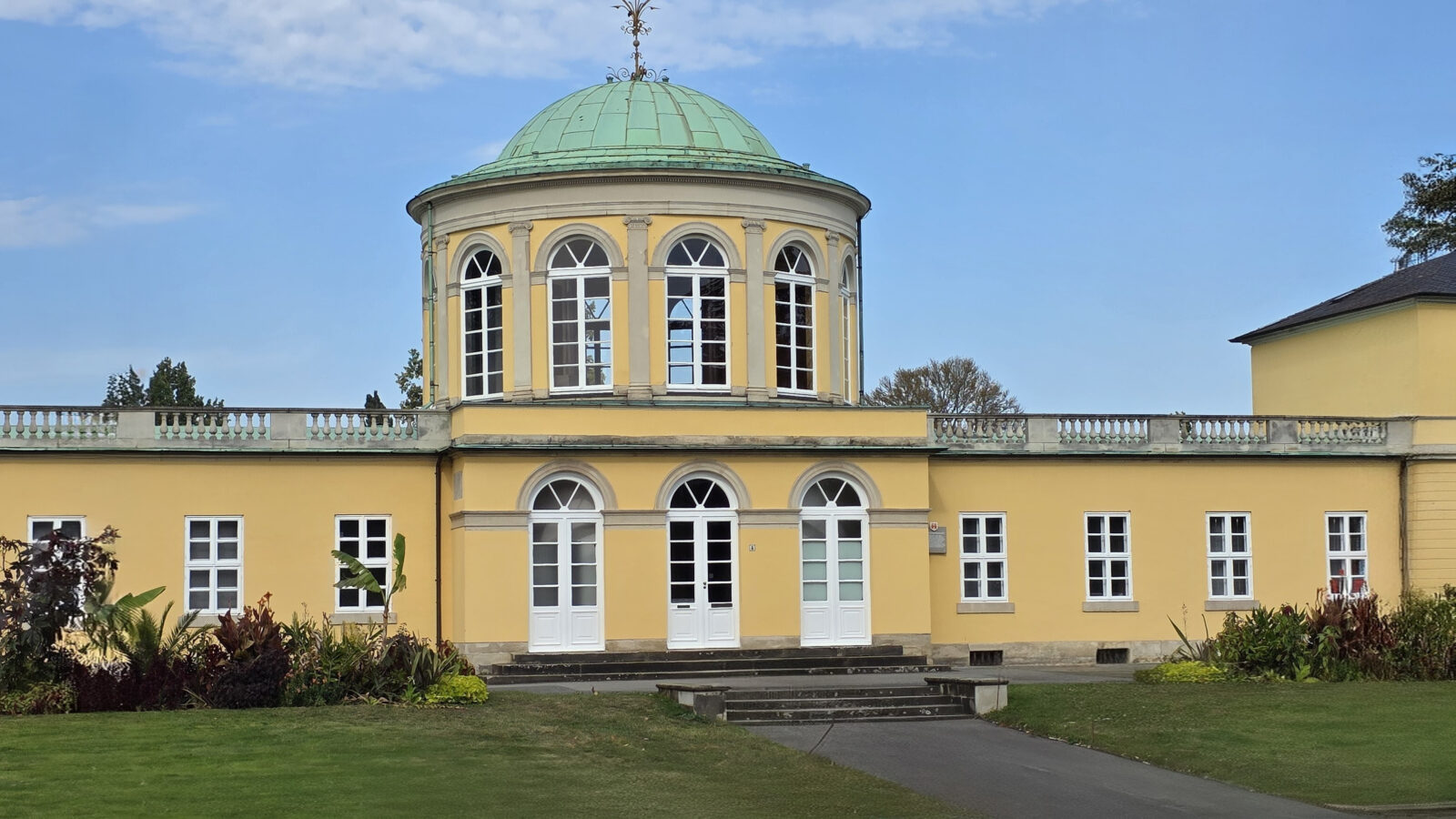
In the Baroque period, there was a kitchen garden on this site where fruit and vegetables were grown for the palace residents. But even back then, Electress Sophie cultivated exotic plants here to satisfy her curiosity about faraway lands. Among other things, she had rice, tobacco and mulberry trees planted. Silkworms were bred on the mulberry trees for her own use. Today, the Berggarten is home to a botanical garden with one of the most important orchid collections in Europe. The Berggarten is also home to the mausoleum of the noble family, where Electress Sophie, her son George I, King of Great Britain, and many other family members are buried.
Georgengarten – the most beautiful avenue in Hanover
The Georgengarten is an English landscape garden that differs from the symmetry of the Baroque in its asymmetry. With its spacious areas and magnificent avenue, this garden has a natural look. It was named after George IV and was laid out in his era. It acts as a link between the city centre and Herrenhausen Palace. The 2 kilometre long Herrenhäuser Allee once served as a link between the Leineschloss and Herrenhausen Palace.
Welfengarten – not just for students
The Leineschloss in Hanover is now home to the main building of the Gottfried Wilhelm Leibniz University, which has owned the palace since 1879. The Guelph Garden behind the palace is open to the public and now serves as a park. Only a few parts of the original 18th century English landscape garden remain.
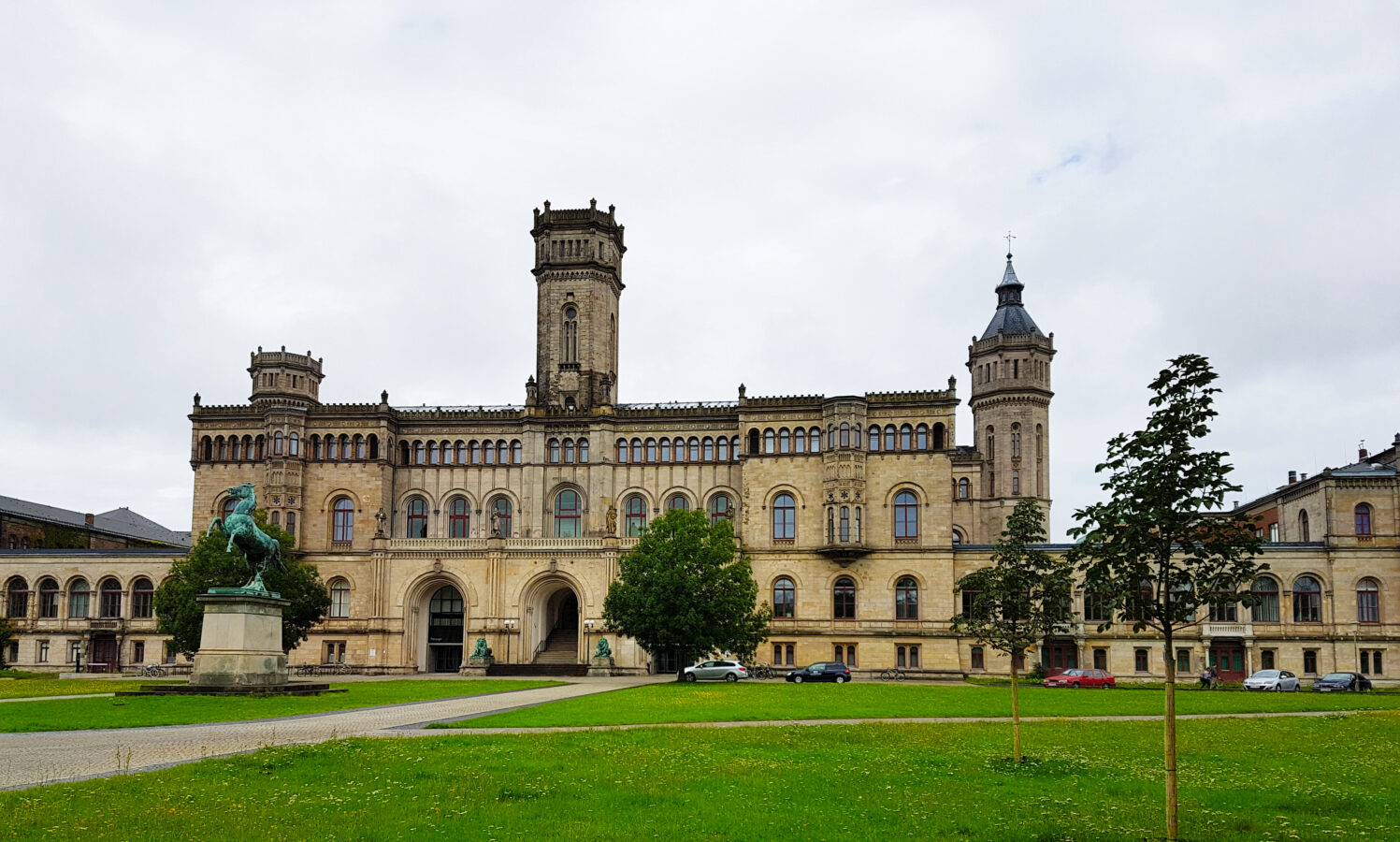
A university can be this magnificent – the Leineschloss is now home to the University of Hanover.
Herrenhausen Gardens – the royal showpiece of Hanover
The Herrenhausen Gardens are a must for anyone who wants to get a flavour of Hanover’s royal past. They are also a worthwhile destination for anyone interested in garden architecture and the design of past eras. And anyone interested in modern art should also visit the Herrenhausen Gardens. But anyone looking for a beautiful retreat from the hustle and bustle of the city will also be happy in the Herrenhausen Gardens. The gardens are beautiful and well worth a visit.
More recommendations for Hanover and the surrounding area
Cultural weekend in Hanover: tips for sights, museums and events in the state capital
Beauty, pain and infinity – NIKI, KUSAMA, MURAKAMI: Love You for Infinity
I visited Hanover and the Herrenhausen Gardens as part of a press trip.


Leave a Reply