


The current Pop Art works on display at the Sprengel Museum Hanover appear to be colorful, light, and carefree. But on second glance, the image suddenly distorts, and the works seem strange, dark, and aggressive.
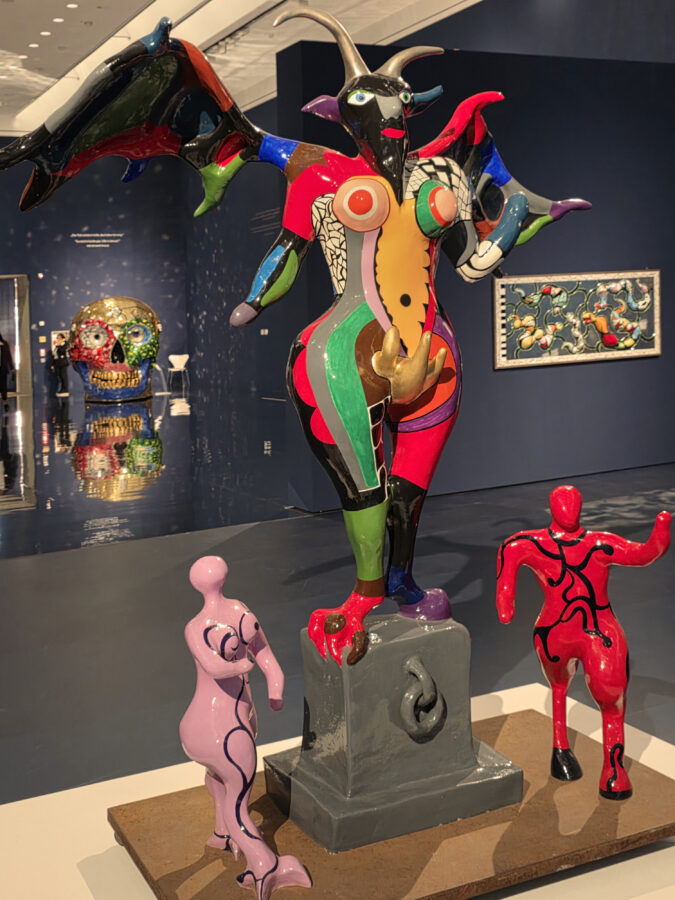
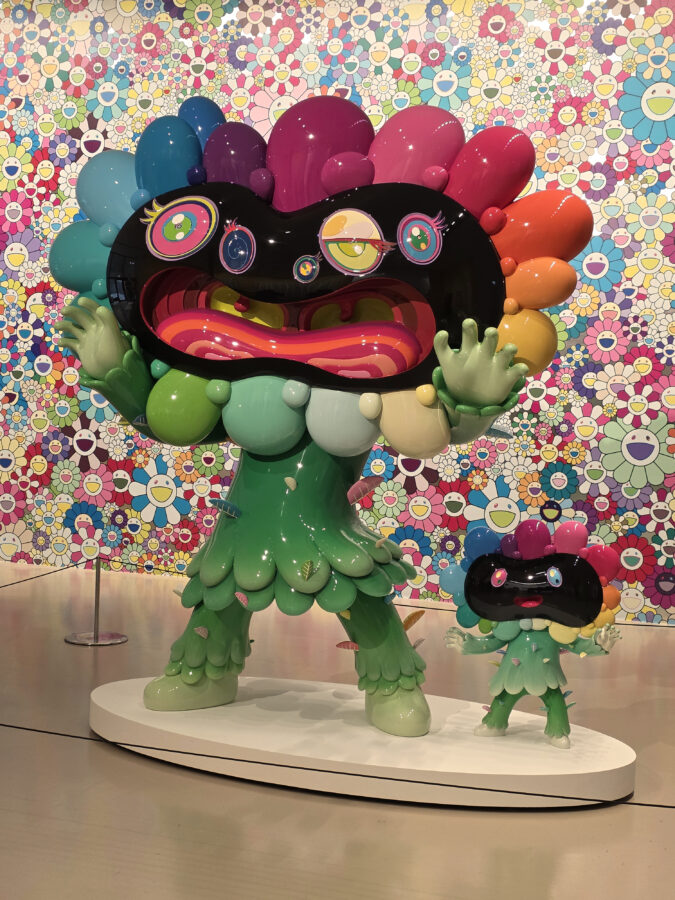
The special exhibition, “NIKI. KUSAMA. MURAKAMI. LOVE YOU FOR INFINITY,” features three contemporary artists whose works at first glance have little in common. However, they are inspired by very similar themes. Topics such as love and infinity, nightmares and monsters, or art and commerce have been interpreted by each artist in their own unique, vibrant way. This exhibition at the Sprengel Museum brings the works of these three artists together for the first time in a fascinating juxtaposition.
Love you for Infinity – The desire for infinite love
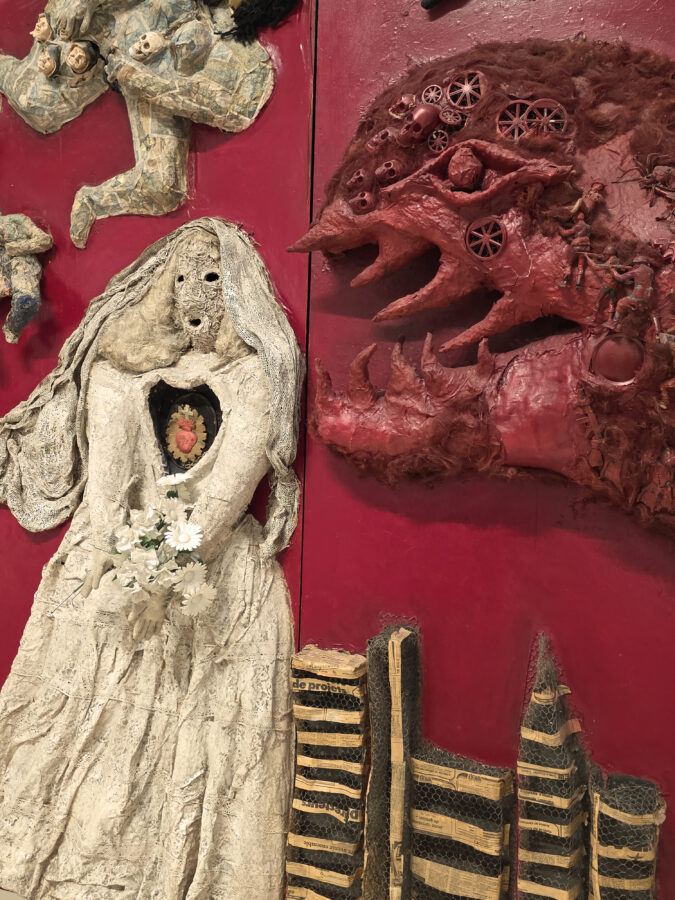
Love and infinity are omnipresent themes in the exhibition. The tour begins with the theme of love, which is viewed from many different perspectives. Marriage, family, and sexuality can be beautiful, but also frightening. Sometimes, beauty is accompanied by threat or uncertainty.
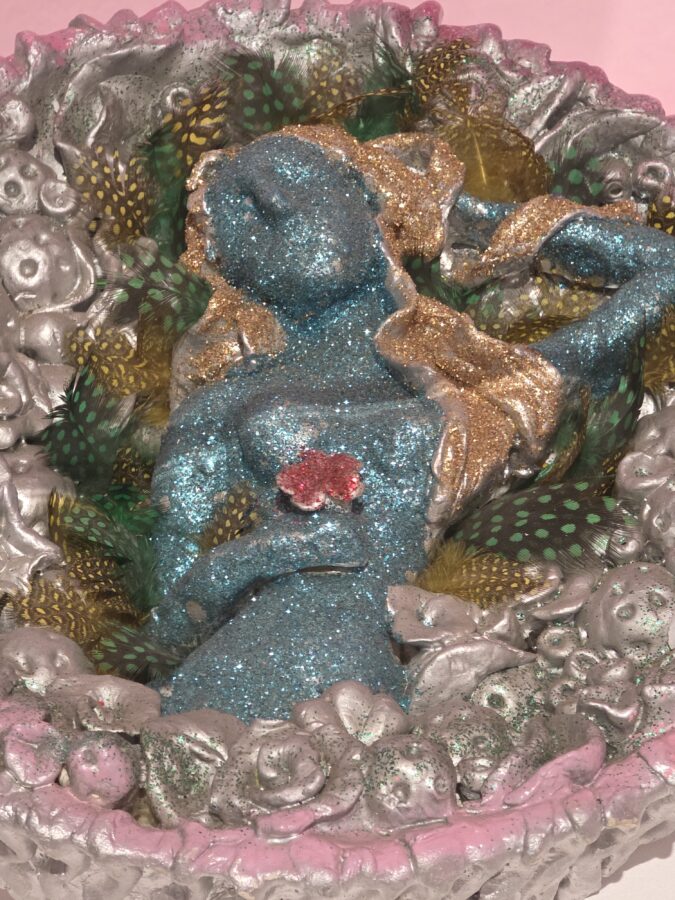
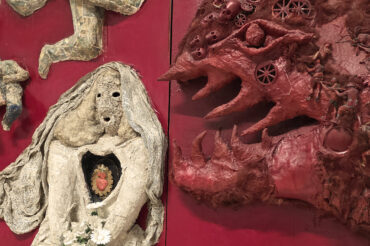
Fears, nightmares, mental crises, and psychological stress are also addressed and juxtaposed in many works. The comparison of the works is fascinating: although Niki de Saint Phalle seems to have little in common with the Japanese artists at first glance, a closer look reveals the same themes and subjects.
The rooms are structured thematically. It begins with love, followed by anger, sexuality, and visions with monsters. Finally, at the very end of the exhibition, works are shown in which the artists deal with death and infinity. This part touched and impressed me the most. A unique surprise awaits visitors here: Yayoi Kusama’s Infinity Room.
Niki de Saint Phalle, Yayoi Kusama, Takashi Murakami – In the Sprengel Museum in Hannover
Twenty-five years ago, the artist Niki de Saint Phalle gifted the Sprengel Museum in Hannover more than 400 of her works. To mark this anniversary, an exhibition featuring numerous known and unknown works is being shown at the Sprengel Museum in Hannover.
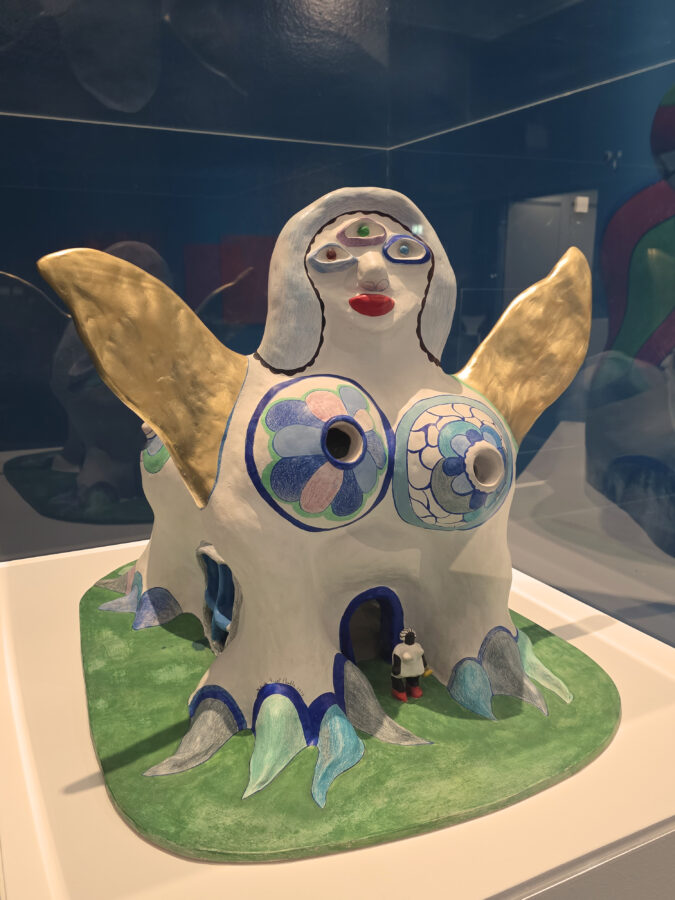
Since then, Niki de Saint Phalle’s works have become landmarks of Hannover. The large, colorful Nanas on the Leine River and the dazzling Grotto in the Herrenhäuser Gardens are well known not only to most Hannover residents but also to many tourists.
The artists Yayoi Kusama and Takashi Murakami are arguably Japan’s most famous contemporary artists. However, they are rather rarely seen in Germany, which is why the exhibition is something special. The juxtaposition of the artworks and the commonality of the subjects are moving. Although the works and styles of the artists are completely different, they all deal with the same themes. Furthermore, all the artists are connected by the immediate recognizability of their work, as many of the pieces are instantly identifiable.
Niki de Saint Phalle – Nanas ans Shots
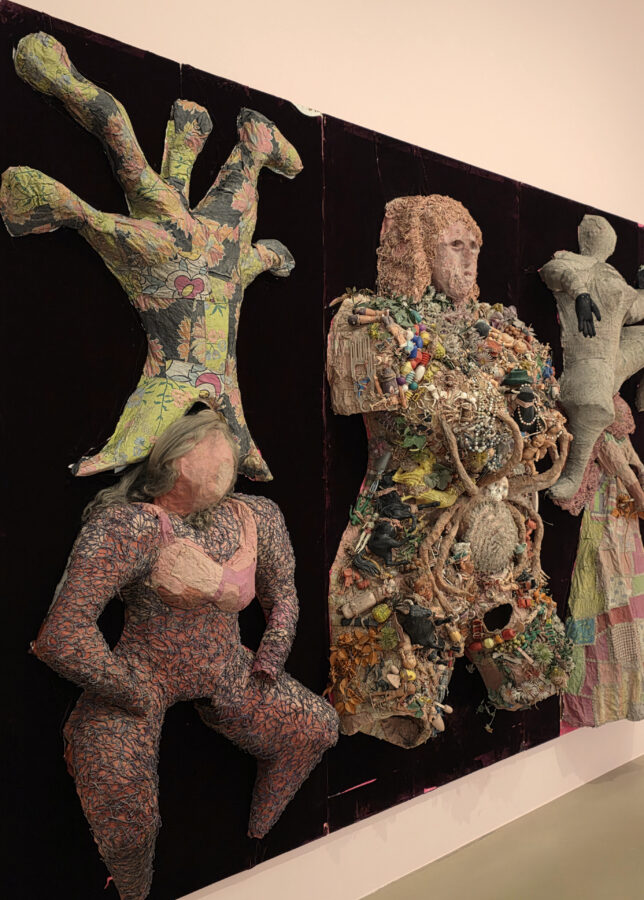
Her works are very feminist. The Nanas—large, colorful, and very round female sculptures—are her trademark. Niki de Saint Phalle first became known as a model, and later her “shooting paintings” became famous. For these, she shot at bags of paint attached to a canvas. Through the shooting, Niki expressed all her anger at the patriarchy, her criticism of war, and processed the sexual abuse she suffered as a child. Her works are a feminist protest and were something completely new in the 1960s.
You can see several of these “shooting paintings” at the Sprengel Museum. However, even her depictions of love and marriage have both a beautiful and a threatening component. Many of her works deal with spirituality, death, and infinity after death. Feelings and thoughts are palpable in her art. Time and again, I was touched and inspired.
Yayoi Kusama – Points and Pumpkins
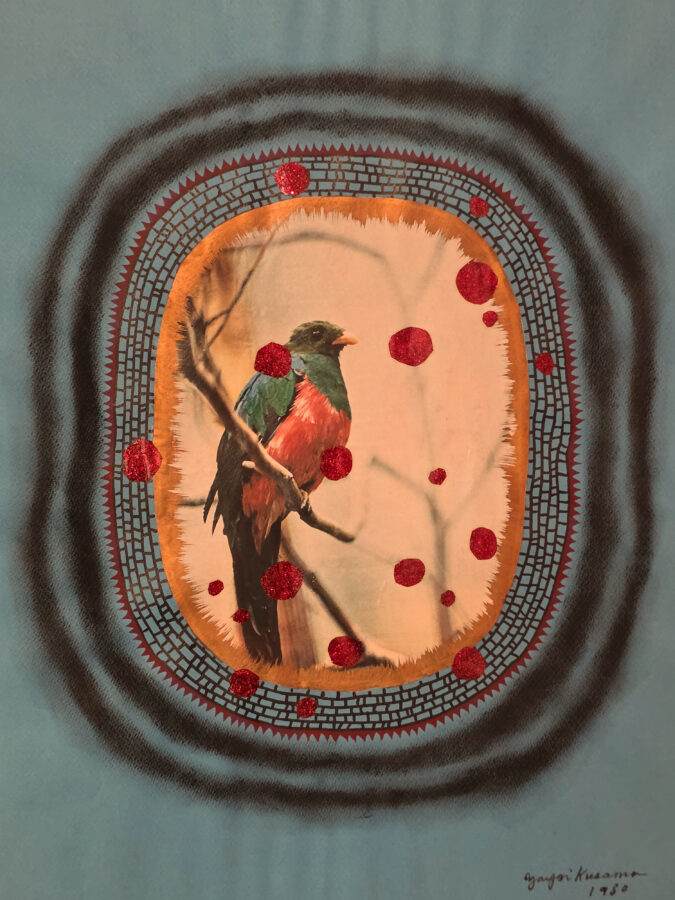
Almost all artists have a characteristic by which their works can be recognized immediately. For Yayoi Kusama, these are pumpkins and dots. The artist is said to have suffered from hallucinations since her youth, seeing patterns of dots and nets. These patterns can still be found in her works today. The pumpkins are her opposite, her means against the hallucinations. Kusama associates comfort and a warm feeling with pumpkins.
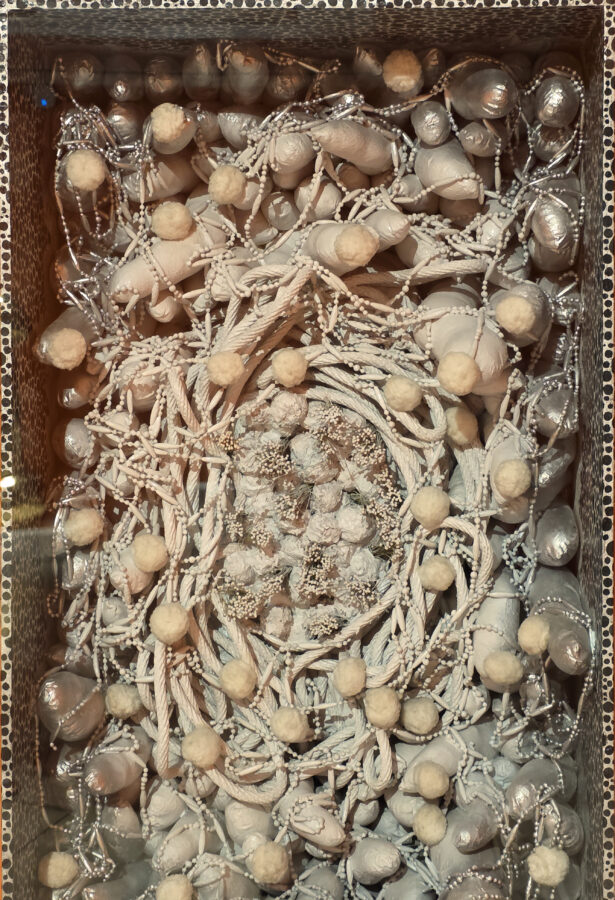
In addition to pumpkins and polka dots, the Sprengel Museum also shows several works symbolizing sexuality. The numerous phallic-like representations are particularly impressive. The highlight, however, can be seen at the very end of the exhibition. In the “Infinity Mirrored Room,” visitors are surrounded by an infinite number of colorful spheres that are reflected in countless mirrors.
Takashi Murakami – Abundance of Flowers in a Colorful Manga World
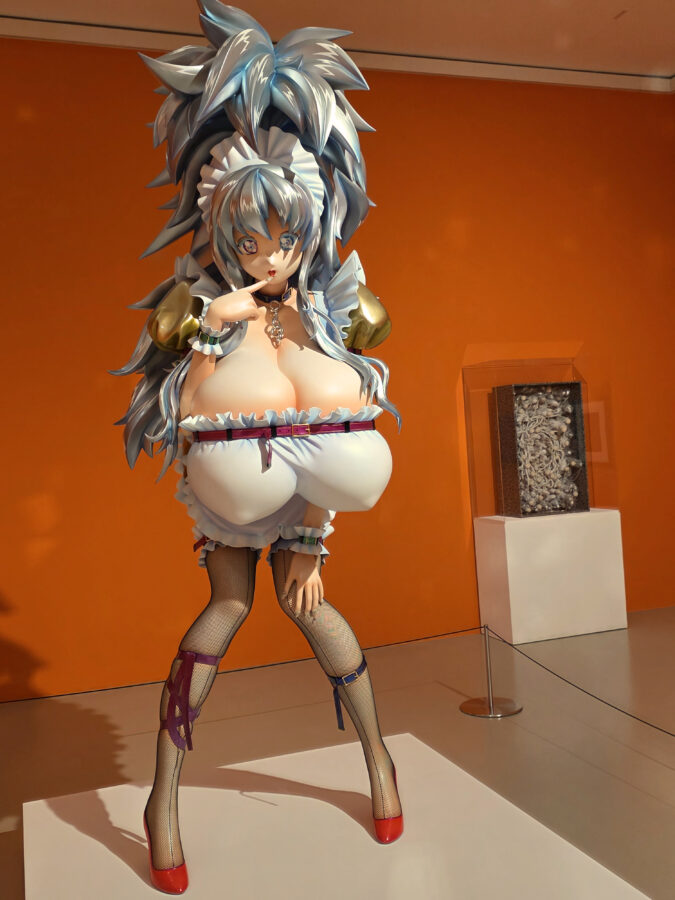
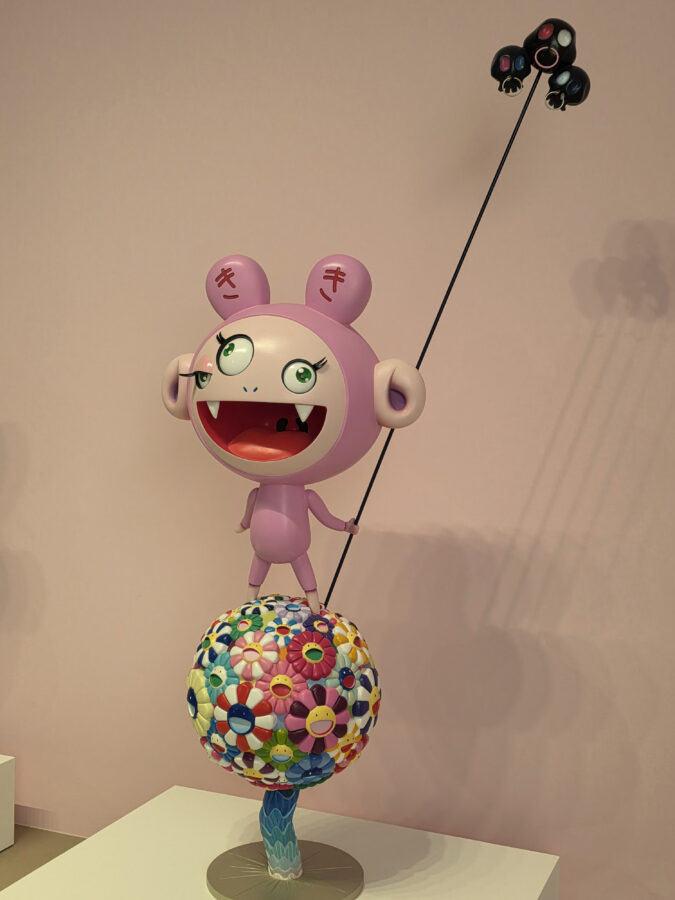
I discovered Takashi Murakami in Kyoto when his exhibition on Japanese ghosts and monsters was being shown there. His paintings and sculptures are primarily colorful and gaudy, as if they came straight out of a Manga or Anime. And yet, all of his works have a second, darker layer or contain social criticism. For example, his cheerful flowers are black or have sharp teeth. His sweet manga girls have such large breasts that they seem about to topple over. The golden giant penis, Mr. Big Mushroom, is not only meant to represent a phallus but can also be interpreted as an atomic mushroom cloud.
Is it still art or already commerce?
There is one more commonality that connects the artists: they have all entered into cooperations with luxury brands.
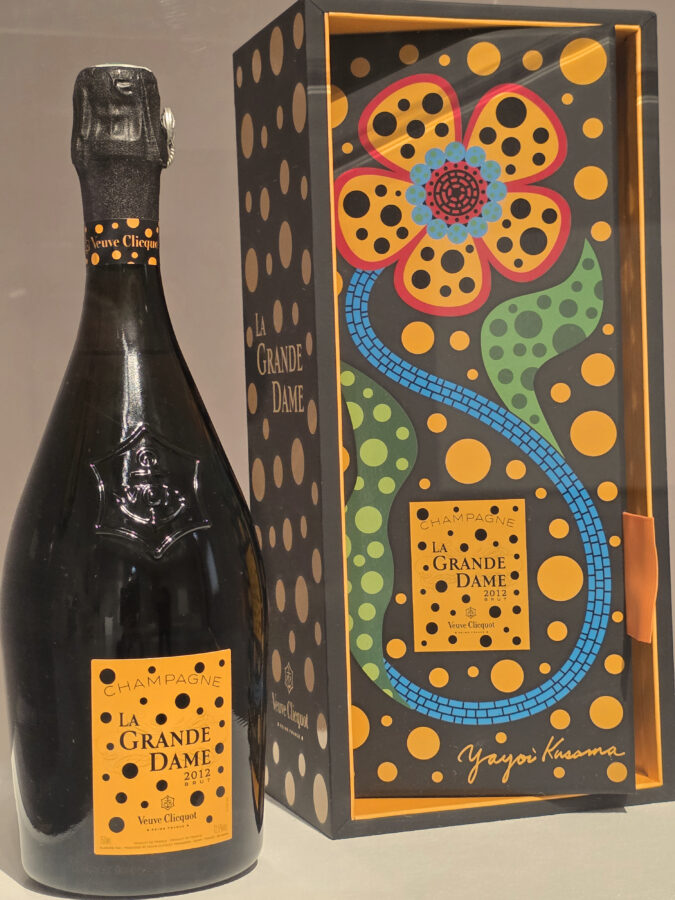
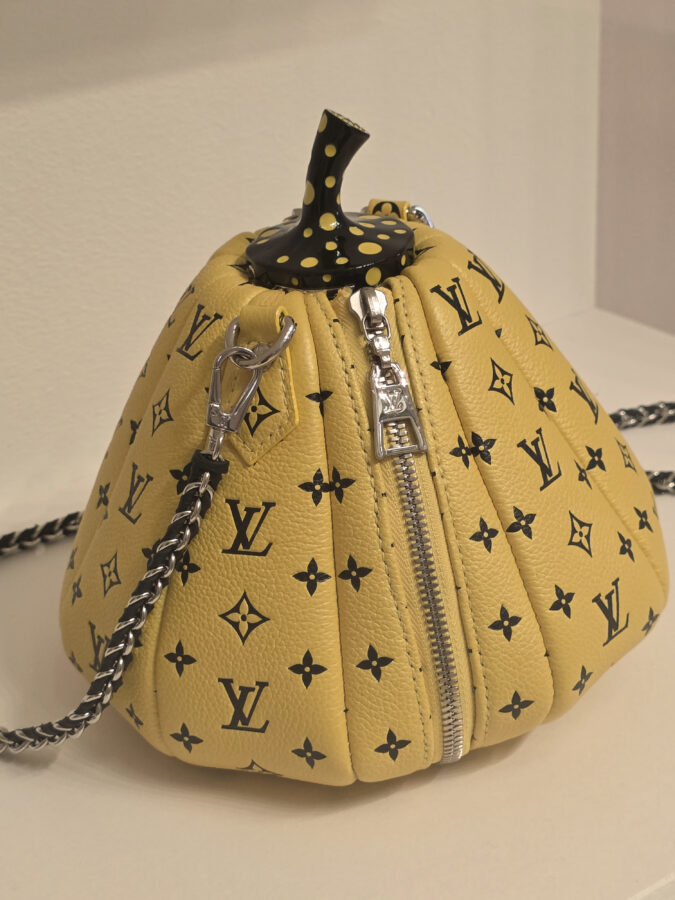
Both Takashi Murakami and Yayoi Kusama have worked for Louis Vuitton. Kusama released a collection of dotted champagne bottles and Vuitton bags. Takashi Murakami directed commercials for Louis Vuitton and decorated products with his flowers. Niki de Saint Phalle also had collaborations with cosmetics manufacturers. This raises the question for many: Is it still art or already commerce?
I was also conflicted during my first encounter with Takashi Murakami, because in the garden of the Museum of Modern Art in Kyoto, a giant golden flower by Murakami stands on a huge Louis Vuitton suitcase. What is that? Is it advertising or a critique of commercialism? I can’t answer that question either. I don’t know if LVMH is a sponsor of the museum.
Huge sums are paid for the artworks of these three artists. Even in the museum shop, a flower cushion by Murakami costs €200. Therefore, art is always a piece of commerce as well.
When was the last time you wrote a love letter?
Roughly in the middle of the exhibition, there is a pink room with numerous seating options, stationery, and envelopes, as well as a large partition wall. Here, visitors have the opportunity to write a love letter. When was the last time you wrote a love letter? For me, it was a very, very long time ago. In today’s society, love letters have somehow been forgotten.
Here, visitors not only have the opportunity but often also the time to write a love letter, as the station is very well received. Some visitors pin their love letters to the pinboard. Others, however, put up requests for partners there. The pinboard is often used like a physical Tinder app.
The love letters can be sent free of charge, because the Sprengel Museum has a cooperation with Citypost. For this purpose, a mailbox and pre-stamped envelopes are available in the room. Every letter dropped in there will be mailed.
A highlight: Three great artists – for the first time in this constellation
I’ve been looking forward to this exhibition for quite some time. It was more interesting and varied than I expected. Even back when I first saw Takashi Murakami’s works in Japan, I was thrilled. I never thought these loud and colorful artworks would appeal to me—yet I love them. I like almost everything by Niki de Saint Phalle, and Yayoi Kusama was a new discovery for me. However, this exhibition truly thrives on the juxtaposition and commonalities between them. I have to come back and take more time next visit.
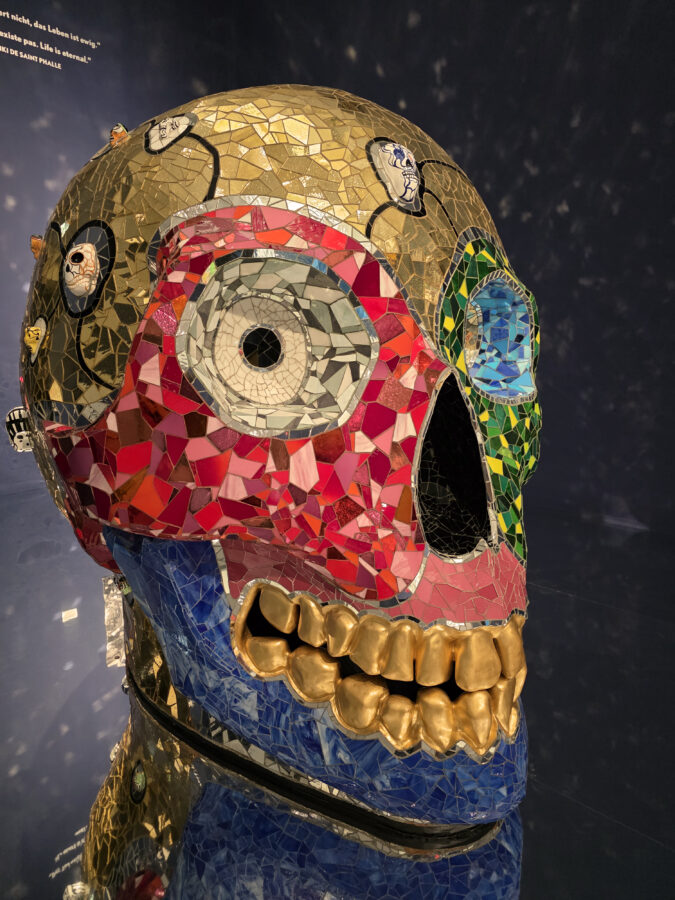
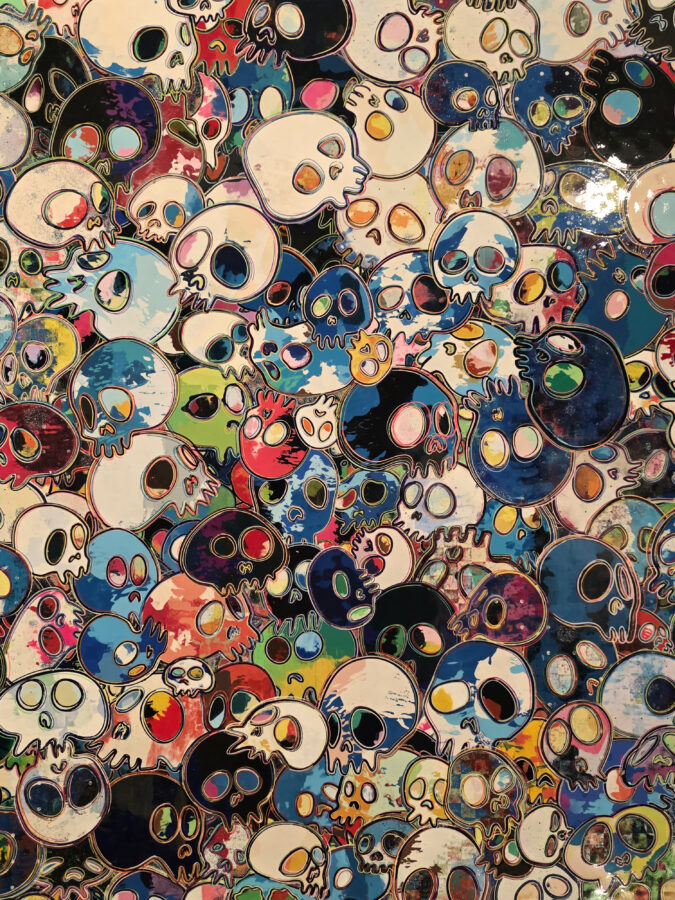
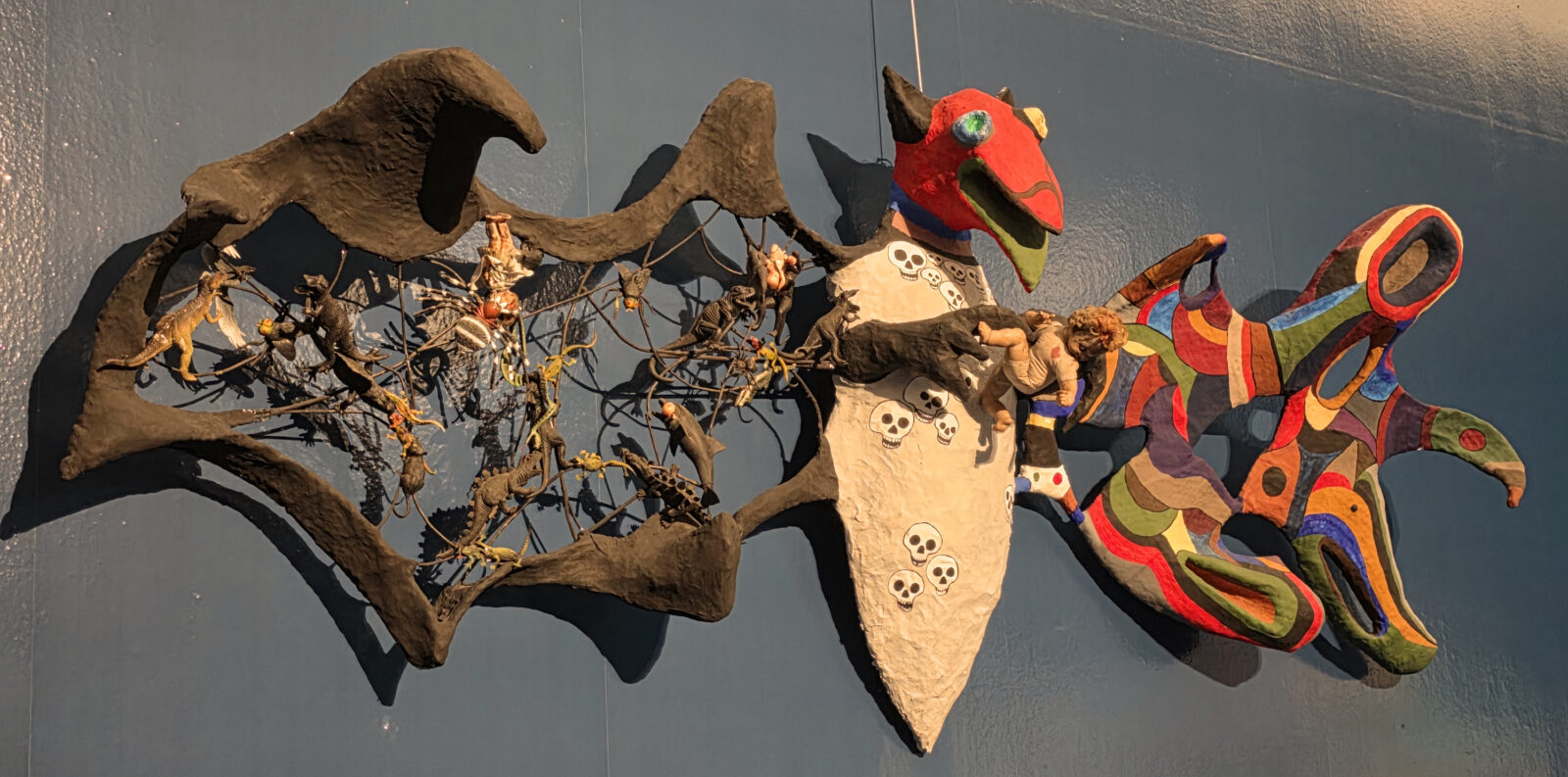
Exhibition Details
NIKI. KUSAMA. MURAKAMI. LOVE YOU FOR INFINITY
September 6, 2025 to February 14, 2026 – The exhibition ends on Valentine’s Day—which is very fitting, as so much of the exhibition revolves around love.
Opening Hours:
Thursday and Sunday: 10:00 AM to 6:00 PM
Tuesday, Wednesday, Friday, and Saturday: 10:00 AM to 8:00 PM (for the special exhibition only!)
The rest of the museum is open until 6:00 PM.
Enjoyment after the Art: Restaurant bell’ARTE
The bell’ARTE is a museum restaurant—or rather, a restaurant within the museum building. Naturally, it’s also open in the evenings when the museum itself is already closed. It’s an Italian restaurant with excellent food.
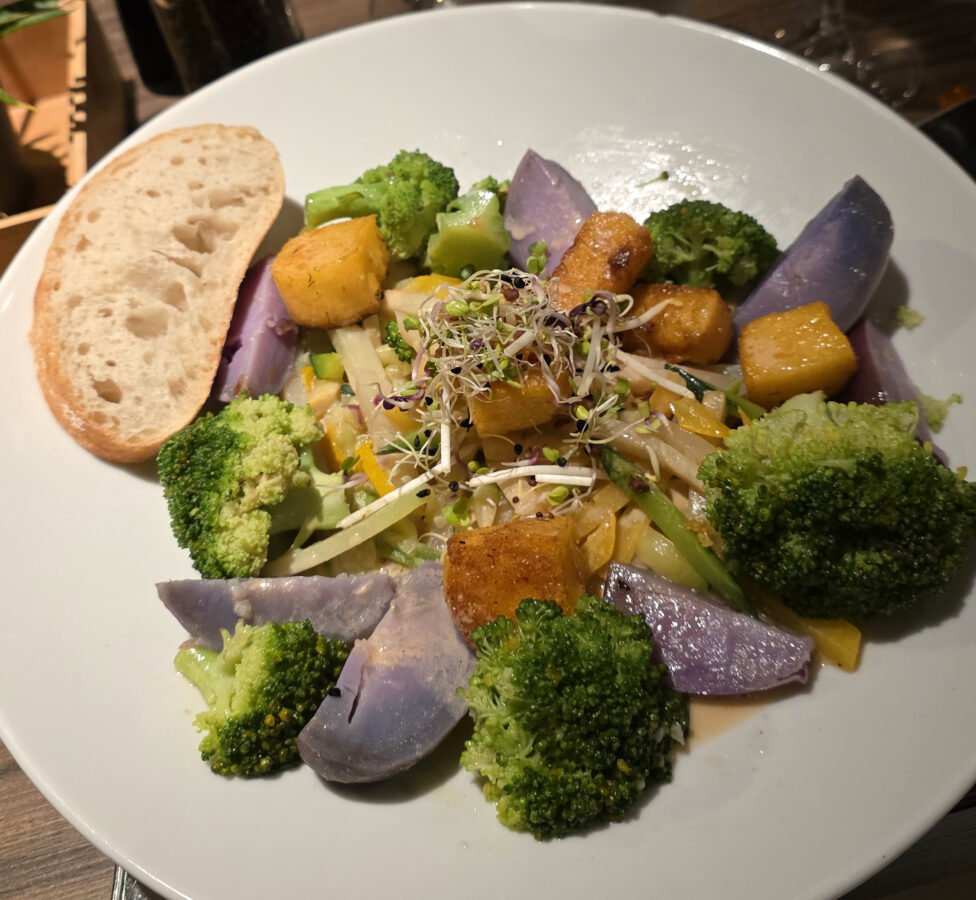
However, I’m mentioning it in this article because of its special menu. For every special exhibition, the head chef creates a unique menu, taking inspiration from the featured artists. I was thrilled by this idea. I chose a dish inspired by Murakami: vegan, healthy, and very colorful. It was delicious, and the wine was excellent too.

Leave a Reply